.webp)

The Role of Languages in Shaping UN General Assembly Meetings

Summary
Language is central to the effectiveness of United Nations General Assembly (UNGA) meetings, where 193 member states collaborate on global issues. To ensure clear communication and equal participation, the UN operates in six official languages: English, French, Spanish, Russian, Chinese, and Arabic. Speeches and documents are simultaneously interpreted and translated, allowing delegates to engage fully regardless of linguistic background. This multilingual system promotes inclusivity, cultural respect, and balanced global representation. However, interpretation and translation at the UNGA are highly complex, requiring deep knowledge of diplomacy, technical subjects, and cultural nuance. Professional, certified translation services—such as those provided by Connected Translations—play a critical role in preserving accuracy, tone, and intent. High-quality language services directly impact global decision-making, as even small errors can lead to misunderstandings. Ultimately, translation ensures language remains a bridge for international cooperation rather than a barrier.
Language plays a crucial role in the proceedings of the United Nations General Assembly (UNGA). With 193 member states, the UNGA is a platform where nations come together to discuss and address global issues. The variety of languages spoken by the representatives is vast, reflecting the multicultural nature of the organization. To ensure effective communication and mutual understanding, language services, including interpretation and translation, are essential.
Six Official Languages of the UN
The United Nations operates with six official languages: English, French, Spanish, Russian, Chinese, and Arabic. These languages are used in all formal meetings, documents and communications within the UN. During General Assembly meetings, speeches made in any of these languages are simultaneously interpreted into the other five, allowing delegates to follow proceedings in their preferred language.
This multilingual approach is more than a logistical necessity; it is a symbol of equality and respect for cultural diversity. By giving each official language equal status, the UN ensures that no nation’s voice is diminished due to language barriers. This fosters an inclusive environment where every country, regardless of its linguistic background, can participate fully in global governance.
Also Read: The World Expo 2025 in Osaka: The Role of Translation in Global Collaboration
Complexity of Interpretation and Translation
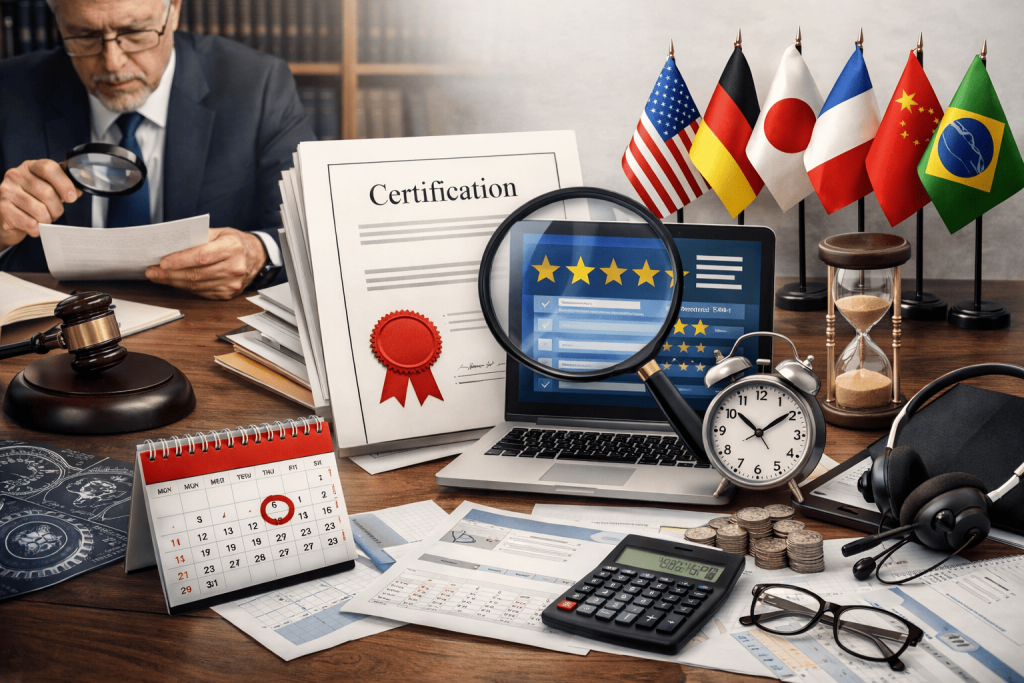
Interpreting and translating the proceedings of the UNGA is a highly complex task. The nuances of diplomatic language, the cultural contexts, and the technical nature of many discussions require not just fluency, but also a deep understanding of the subject matter. This is where professional translation services like CT (Certified Translation) play a vital role.
Certified by industry standards, Connected Translations provides accurate and culturally sensitive translations that are critical to maintaining the integrity of international discourse. Their expertise ensures that documents, resolutions and speeches are translated with precision, preserving the intended meaning and tone across languages.
Impact on Global Decision-Making
The effectiveness of UNGA meetings heavily depends on the quality of language services. Misinterpretations or mistranslations could lead to misunderstandings, potentially affecting international relations and decision-making. The precision of translation thus becomes a cornerstone of diplomatic success.
Moreover, the use of multiple languages at the UN reinforces the importance of linguistic diversity in global governance. It highlights the value of each member state’s cultural identity and ensures that global decisions are made with a truly international perspective.
In conclusion, languages are at the heart of the UNGA’s operations, enabling the organization to function as a truly global body. Companies like CT, with their certified translation services, ensure that language continues to be a bridge rather than a barrier in international diplomacy. As the UN faces increasingly complex global challenges, the role of accurate and respectful translation will only become more critical.

Daniel Brooks is a New York City-based writer and content strategist with a deep curiosity for how language shapes connection across cultures. With over ten years of experience crafting digital content for global audiences, Daniel brings a thoughtful and practical voice to the Connected Translations blog.