.webp)

Birth Certificate Apostille vs. Embassy Attestation: What’s the Difference?
Summary
When preparing a birth certificate for international use, choosing between an apostille and embassy attestation can make or break your application. While both processes authenticate documents, they apply in very different situations. This article explains how a birth certificate apostille works under the Hague Apostille Convention and why it’s often the faster, simpler option for many countries. It also breaks down embassy attestation, a more detailed legalization process required for countries outside the convention or with stricter requirements. You’ll learn when each option is necessary, how the processes differ in cost, speed, and acceptance, and what steps are involved in obtaining them. Understanding these differences helps you avoid delays, rejected documents, and unnecessary expenses when submitting your birth certificate for immigration, education, employment, or legal matters abroad.
1. What is a Birth Certificate Apostille?
A birth certificate apostille is an official certification applied to a document to verify its authenticity for international use. The apostille is typically used in countries that are part of the Hague Apostille Convention, which simplifies the process of document legalization between member countries. Understanding the process and when it’s needed is essential for individuals dealing with international affairs or immigration.
- What is the Apostille Process?
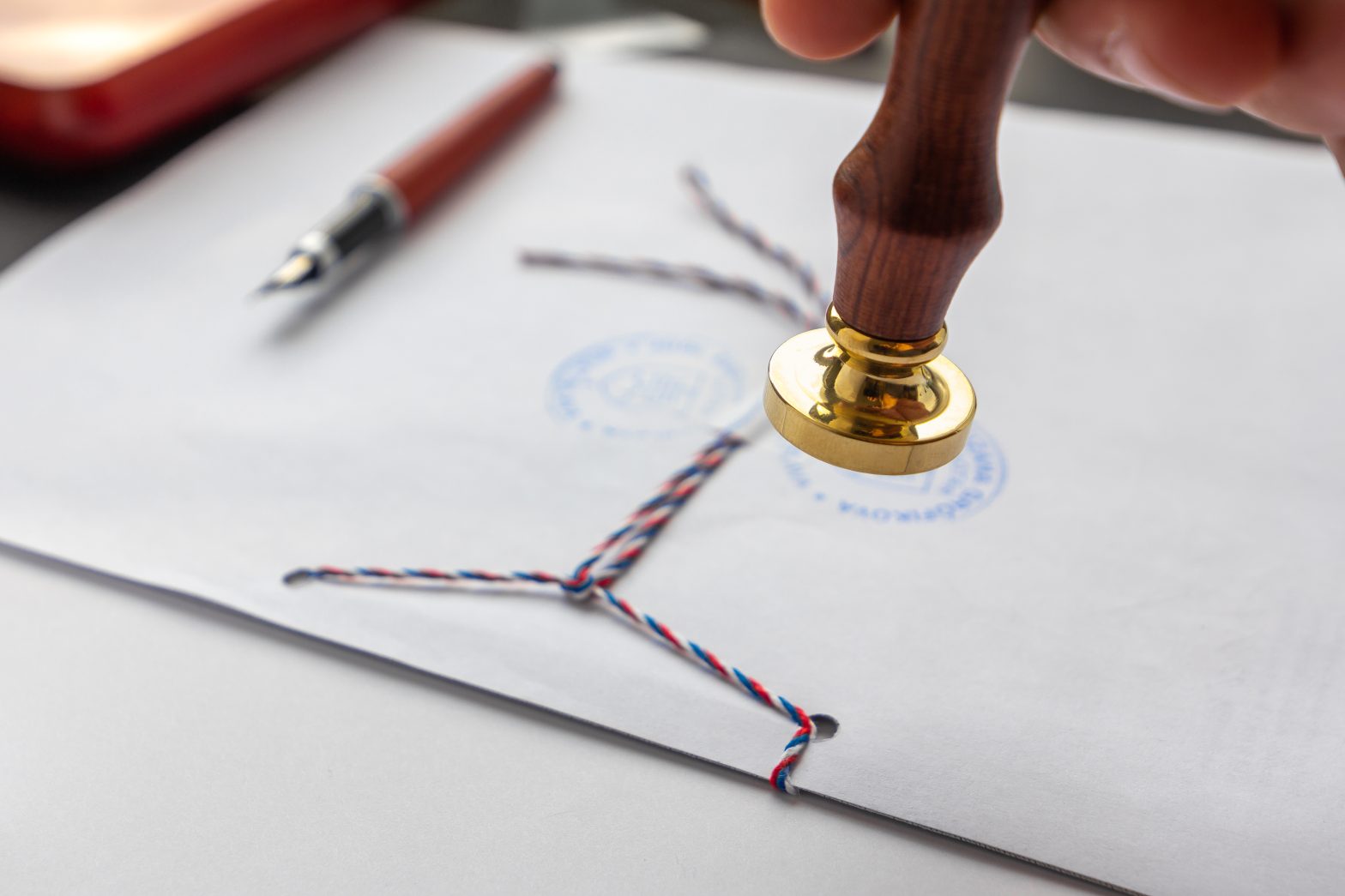
The apostille process involves a government-authorized body (often a state or national office) certifying the authenticity of the document, such as a birth certificate, and attaching an official stamp or seal. This ensures that the document is recognized in another country, reducing the need for additional verification. - Why Do You Need a Birth Certificate Apostille?
When you’re dealing with immigration, adoption, overseas employment, or academic purposes in another country, you may be asked to provide an apostille for your birth certificate. The apostille guarantees that the document has been verified and that it will be accepted by foreign authorities. Countries that are part of the Hague Convention will generally accept documents with an apostille without requiring further attestation. - How is it Different from Embassy Attestation?
An apostille is a much more streamlined process that works specifically between countries that have signed the Hague Convention. Embassy attestation, on the other hand, may be needed for countries that aren’t part of the convention. The apostille process is generally faster and simpler, while embassy attestation can be more time-consuming and complex.
2. What is Embassy Attestation?
Embassy attestation, also known as consular legalization, is the process of verifying the authenticity of a document by the embassy or consulate of the country where the document will be used. Unlike the apostille, which is used in countries part of the Hague Convention, embassy attestation is necessary for countries outside of the convention or where specific legal requirements demand it.
- How Does Embassy Attestation Work?
Embassy attestation involves submitting the original document to the embassy or consulate of the country where the document will be used. The embassy then verifies that the document is legitimate and authentic by applying an official stamp or seal. This stamp confirms that the document has been validated by the appropriate government authority in the issuing country. - Why Do You Need Embassy Attestation?
If you are dealing with a country that has not signed the Hague Apostille Convention or if the document in question does not qualify for an apostille, you may be required to undergo embassy attestation. This process ensures that the document will be legally accepted by the authorities in the destination country, even if that country does not participate in the Apostille Convention. - Embassy Attestation vs Apostille:
Embassy attestation can be more complex and may require additional steps. For example, before an embassy can attest to a birth certificate, it might first need to be authenticated by the relevant authorities in the issuing country. This can involve several layers of verification, making the process longer and potentially more expensive compared to an apostille.
3. Key Differences Between Birth Certificate Apostille and Embassy Attestation
Understanding the distinctions between a birth certificate apostille and embassy attestation is essential for making the right decision based on your needs. Here’s a breakdown of the major differences:
- Applicable Countries
- Apostille: Only for countries that are part of the Hague Apostille Convention (currently 120+ countries).
- Embassy Attestation: Required for countries outside the Hague Convention or for documents that need extra verification beyond an apostille.
- Process
- Apostille: Quick and simple, generally requiring submission to a local government office.
- Embassy Attestation: Involves additional steps, including verification by national authorities and the embassy, making it more time-consuming.
- Cost
- Apostille: Typically less expensive due to its streamlined process.
- Embassy Attestation: Can be more expensive due to the extra steps involved, including administrative fees for embassy services.
- Speed
- Apostille: Generally faster, often taking a few days to a week, depending on the country.
- Embassy Attestation: Can take longer, sometimes several weeks, due to the multiple stages involved.
- Acceptance
- Apostille: Universally accepted in countries that are part of the Hague Convention.
- Embassy Attestation: May be necessary for countries that do not participate in the Hague Convention or have specific requirements.
When Should You Choose Apostille or Embassy Attestation?
- If you are submitting documents to a country that is a member of the Hague Apostille Convention, the apostille is generally your best option.
- If you are dealing with a country that is not a member of the Hague Convention, or if the document is for a specific type of legal use, you may need embassy attestation.
4. How to Get a Birth Certificate Apostille or Embassy Attestation
Navigating the process of getting either an apostille or embassy attestation for your birth certificate involves understanding the requirements of the country in which you will use the document. Here’s a quick guide on how to proceed with either option:
- For Apostille:
- Identify the Appropriate Authority: Find the government office or department responsible for issuing apostilles in your country (often the Secretary of State in the U.S.).
- Submit Your Birth Certificate: Provide a copy of your birth certificate to the relevant authority, along with any forms or fees required.
- Wait for Processing: After submission, the document will be reviewed and authenticated, with an apostille applied to the original document.
- Receive Your Apostilled Birth Certificate: Once the apostille is applied, your birth certificate is ready for international use.
- For Embassy Attestation:
- Verify Requirements: Check the specific requirements of the embassy or consulate of the country where the document will be used.
- Submit Your Birth Certificate: You may need to have your birth certificate notarized or authenticated by local authorities before submitting it to the embassy.
- Embassy Processing: The embassy will review the document and apply their official stamp of attestation.
- Collect the Document: Once the embassy attests to the authenticity of your birth certificate, you can use it for official purposes in the destination country.
Conclusion
Choosing between a birth certificate apostille and embassy attestation depends on the country where you are submitting your document and the specific legal requirements of that country. While the apostille process is straightforward and efficient for countries in the Hague Convention, embassy attestation remains necessary for certain countries outside the convention or for documents requiring extra verification.
Understanding the key differences between these two processes can save you time and money, ensuring that your birth certificate is accepted for international use. Whether you need an apostille or embassy attestation, always ensure you are following the correct procedure to avoid delays in your legal or immigration matters.