.webp)

How Many Languages Does the Pope Speak? Exploring the Multilingual Skills of Pope Francis
Summary
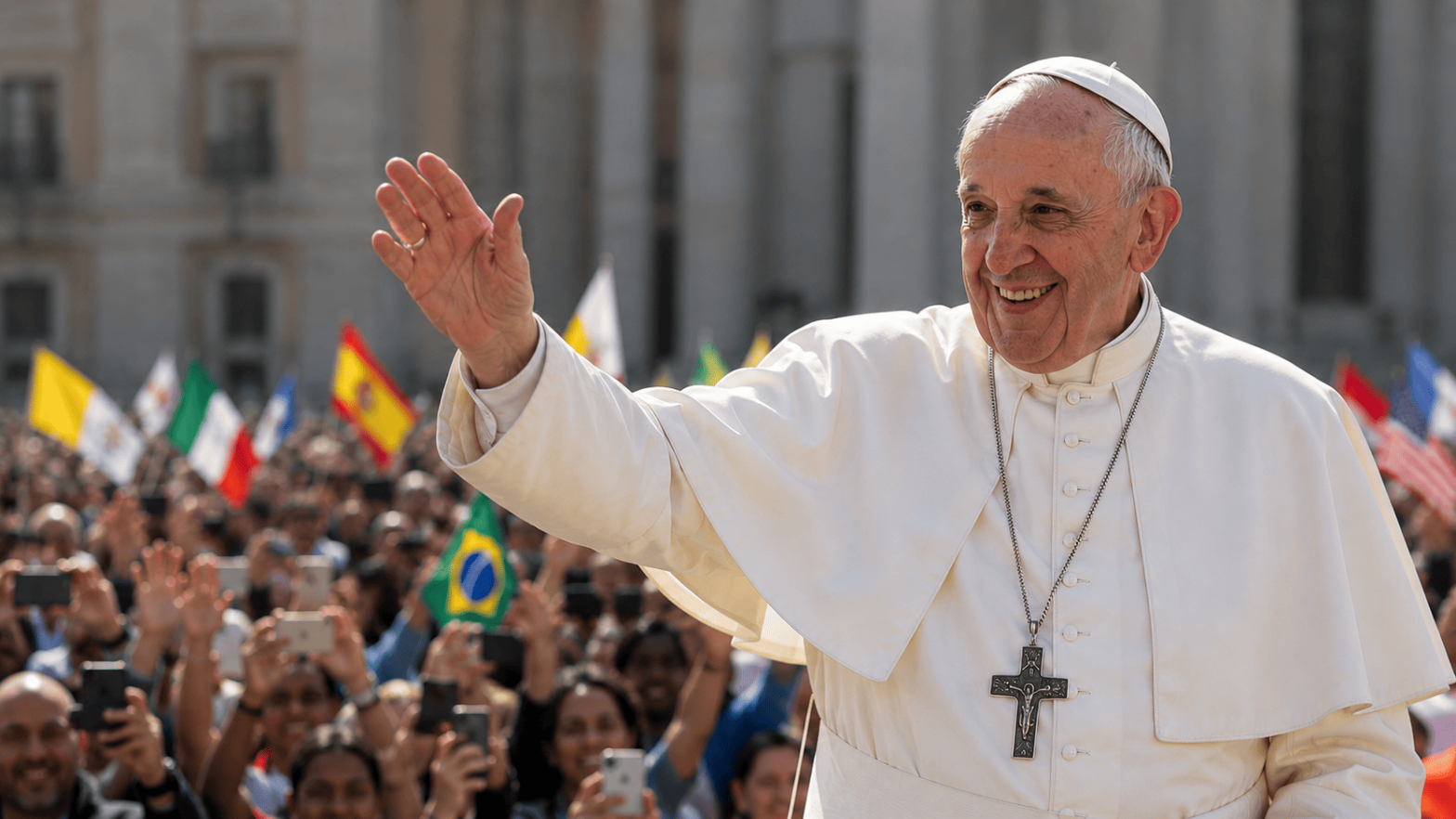
Have you ever wondered how many languages the Pope speaks? Pope Francis, the head of the Catholic Church, speaks several languages, which supports his role as a global religious leader. From communicating with Catholics worldwide to engaging in diplomatic discussions, his multilingual ability helps him connect across cultures, regions, and communities.
This blog explains the languages spoken by Pope Francis, why multilingualism matters in global leadership, and how professional translation services support international communication for religious institutions, businesses, and legal professionals.
Introduction: The Power of Multilingualism in the Papacy
In today’s interconnected world, multilingualism is more than a useful skill. It is a vital tool for leadership, diplomacy, and global communication.
For Pope Francis, speaking multiple languages helps him connect with the global Catholic community and engage with international leaders. But how many languages does the Pope actually speak, and why does this matter?
This article explores the linguistic abilities of Pope Francis, the languages he uses, and the role multilingual communication plays in religious leadership, diplomacy, and international outreach.
Pope Francis’ Multilingual Abilities: What Languages Does He Speak?
Pope Francis, born Jorge Mario Bergoglio in Buenos Aires, Argentina, is known for his ability to communicate in several languages. His linguistic skills allow him to engage with a diverse global audience, from Catholics across Latin America to political leaders in Europe and beyond.
Here are the main languages Pope Francis speaks or uses:
Italian
Italian is the primary language Pope Francis uses in his daily work at the Vatican. It is widely used in official Vatican communications, public speeches, homilies, and administrative matters.
Spanish
Spanish is Pope Francis’s native language. Having grown up in Argentina, he speaks Spanish fluently and often uses it when addressing Latin American Catholics or visiting Spanish-speaking countries.
Latin
Latin holds a special place in the Catholic Church as a traditional language of liturgy and official Church documents. While Latin is not commonly spoken in everyday conversation, Pope Francis is familiar with it and uses it in religious and ceremonial contexts.
French
Pope Francis speaks French and uses it in diplomatic and religious settings, especially when engaging with French-speaking Catholic communities and international representatives.
English
Although English is not his strongest language, Pope Francis can communicate in English during international events, public addresses, and diplomatic meetings.
Portuguese
Pope Francis also uses Portuguese when communicating with Portuguese-speaking Catholics, especially during visits to Brazil and other Portuguese-speaking regions.
German
Pope Francis is conversant in German, which he learned during his studies. While he uses it less frequently, German is useful for communication with Catholic communities in German-speaking countries.
Key Takeaway: Pope Francis uses multiple languages to communicate with diverse Catholic communities and international audiences.
Why Multilingualism Matters for the Pope’s Leadership
Pope Francis’s ability to speak multiple languages is not just a personal skill. It supports his leadership as the head of a global religious institution.
Here’s why multilingualism is important for his role:
- Connecting with global Catholics: With Catholics spread across many countries and cultures, speaking different languages helps the Pope create stronger personal and spiritual connections.
- Facilitating diplomatic engagement: Pope Francis regularly meets heads of state, political leaders, and representatives of other faiths. Language helps support clearer dialogue and mutual understanding.
- Promoting unity within the Church: The Catholic Church includes regional communities with different languages and traditions. Multilingual communication helps bridge these differences.
- Enhancing media outreach: Speaking multiple languages allows the Pope’s message to reach a wider global audience through international media channels.
Key Takeaway: Multilingualism helps Pope Francis communicate more effectively across cultures, communities, and international institutions.
The Role of Translation Services in the Pope’s Global Outreach
While Pope Francis’s multilingual abilities are significant, translation services also play an important role in ensuring that his messages reach people accurately across the world.
Translation services support global outreach in several ways:
- Translating papal speeches and documents: Pope Francis’s speeches, homilies, and official documents are often translated into multiple languages so that audiences around the world can understand them clearly.
- Supporting diplomatic communication: During meetings with world leaders, professional translation services help ensure that sensitive political, ethical, and religious messages are accurately conveyed.
- Maintaining cultural sensitivity: Professional translators consider cultural context so that the original message remains respectful, clear, and appropriate for each audience.
Translation is especially important when dealing with complex religious, diplomatic, or legal language, where a small error can change the meaning of a message.
Key Takeaway: Translation services help preserve accuracy, tone, and cultural meaning in global religious communication.
The Practical Impact of Multilingualism for Global Businesses

Pope Francis’s multilingualism highlights the importance of language in global leadership and communication. For businesses operating internationally, multilingual communication is not a luxury. It is a practical requirement.
Here’s why multilingualism matters for businesses:
- Reaching global markets: Businesses must communicate effectively with customers and clients in different countries. Speaking the customer’s language helps build trust and stronger relationships.
- Expanding market reach: Whether launching a product or entering a new region, local-language communication helps ensure the message resonates with the intended audience.
- Enhancing brand reputation: Using professional translation services shows respect for cultural sensitivity and helps companies build credibility with international clients.
- Supporting legal and compliance needs: Contracts, agreements, and official documents must be translated accurately to avoid misunderstandings, compliance problems, or legal disputes.
Key Takeaway: Multilingual communication helps businesses build trust, expand internationally, and reduce legal and cultural risks.
Real-World Scenario: The Importance of Multilingual Communication in Business
Imagine a global company expanding into Latin America, Europe, and the Middle East. The company’s CEO speaks only English and wants to address customers in each region.
Without proper localization and professional translation, the message may be misunderstood. In Latin America, local terms may be mistranslated. In Europe, the tone may feel too formal. In the Middle East, the communication may come across as too direct.
This scenario shows why multilingual communication matters. Businesses that understand language differences and use certified translators can avoid costly misunderstandings and build stronger relationships with customers.
Key Takeaway: Professional translation helps businesses communicate clearly and respectfully across regions.
Conclusion: The Power of Multilingualism in Leadership and Business
Pope Francis’s ability to use multiple languages is more than a personal accomplishment. It is a key part of his leadership, diplomacy, and global communication.
For businesses, multilingualism is equally important. It helps companies build global connections, enter new markets, and communicate with legal and cultural accuracy.
At Connected Translations, we provide professional translation services in over 90 languages. Whether you need to translate documents, speeches, legal materials, or marketing content, our team helps ensure your message is clear, accurate, and culturally appropriate.
Key Takeaways
- Pope Francis uses multiple languages to communicate with global Catholic communities
- Multilingualism supports religious leadership, diplomacy, and media outreach
- Professional translation services help preserve accuracy and cultural meaning
- Businesses need multilingual communication to expand globally and build trust
- Accurate translations help reduce legal, cultural, and communication risks