.webp)

Immigration Policies Around the World: The Need for Multilingual Support

Summary
Immigration processes are complex, legally sensitive, and heavily language-dependent, making multilingual support essential in today’s globalized world. Immigration documents such as visa applications, asylum requests, and official correspondence often contain dense legal terminology, and even small translation errors can lead to delays, rejections, or legal consequences. Non-native speakers are especially vulnerable when documents are available only in a host country’s official language, as misunderstandings can result in missed deadlines or incomplete submissions. This challenge is particularly evident in high-immigration countries like the United States, Canada, and the United Kingdom. Professional, certified translation services help bridge this gap by ensuring accuracy, clarity, and legal validity. Companies like Connected Translations specialize in certified immigration translations, providing reliable multilingual support that meets government standards. Ultimately, multilingual translation services empower immigrants to navigate immigration systems confidently, protect their rights, and access opportunities fairly, regardless of language barriers.
Introduction
Immigration is a global issue that affects millions of people every year. As individuals and families navigate the complex systems of different countries, language can be a significant barrier. Immigration policies are often dense, legal, and filled with complex terminology that can be difficult to understand—especially for non-native speakers. In an increasingly multicultural world, providing multilingual support for immigration-related documents and communications is not just a luxury—it’s a necessity.
From visa applications to asylum requests, the paperwork involved in immigration is critical, and even the smallest error can lead to significant delays or denial of services. When these documents are available only in one language—typically the official language of the host country—non-native speakers are at a distinct disadvantage. A misunderstanding or lack of clarity can result in missed deadlines, incomplete forms, or even legal repercussions. This is where professional, certified translation services play a crucial role in ensuring the success of the immigration process for all involved parties.
The need for multilingual support is especially urgent in countries with high levels of immigration, such as the United States, Canada, and the United Kingdom. These nations host large populations of immigrants who speak a range of languages, including Spanish, Mandarin, Arabic, French, and many more. Without access to properly translated documents, these individuals may struggle to navigate government forms, understand legal rights, or even seek legal assistance.
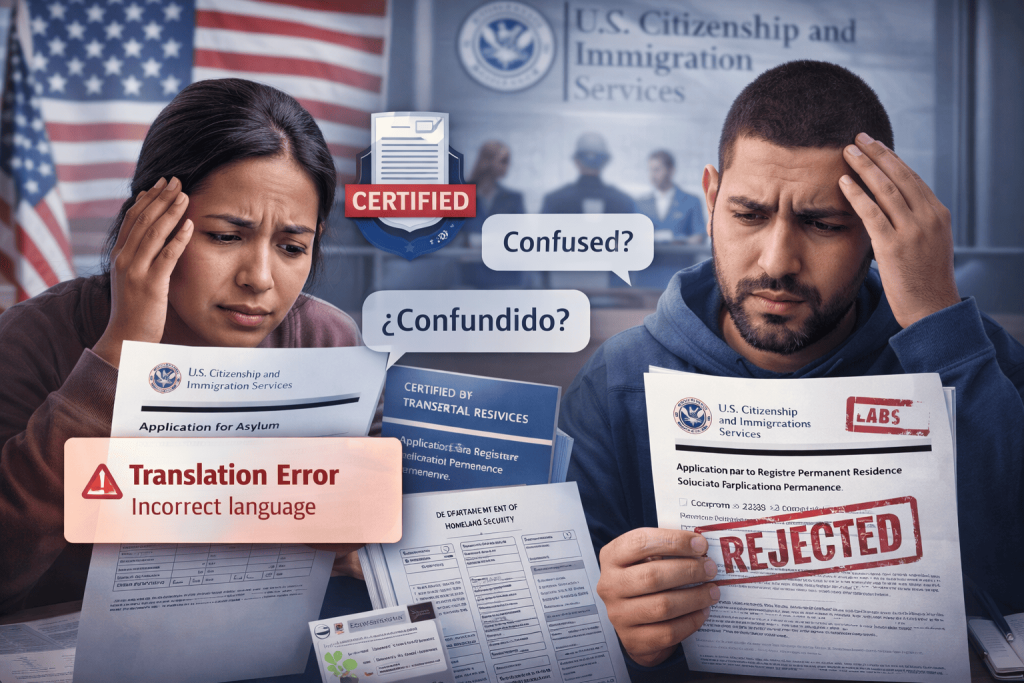
Take, for example, the immigration process in the U.S. The country’s immigration system is notoriously complicated, and many of the forms required by the U.S. Citizenship and Immigration Services (USCIS) are filled with legal jargon. Immigrants who do not speak English fluently are often left confused, frustrated, and vulnerable. Inaccurate translations, even if done with good intentions, can lead to mistakes that may result in the rejection of an application or the denial of asylum. These risks highlight the importance of professional and certified translation services to bridge the language gap.
This is where companies like Connected Translations come in. As a certified translation company, Connected Translations specializes in providing high-quality, accurate translations for a wide range of immigration documents. Whether it’s translating visa applications, asylum requests, or official correspondence, their expert translators ensure that all documents are translated with the highest level of accuracy, preserving the legal integrity of the original text. By offering services in a variety of languages, Connected Translations makes it easier for immigrants to understand the requirements of the immigration process and submit accurate, timely paperwork.
Moreover, certified translations from a reputable company like Connected Translations provide an added layer of security. Many immigration agencies and government bodies require certified translations of documents, ensuring that translations are not only accurate but also legally valid. This certification process gives immigrants the peace of mind that their documents are properly prepared and meet the standards required by immigration authorities.
In conclusion, the need for multilingual support in immigration policies is clear. As immigration continues to shape the demographic landscape of nations around the world, it’s vital that governments and organizations invest in professional translation services to ensure that all immigrants, regardless of their language, can access the opportunities and protections they deserve. With the help of certified translation companies like Connected Translations, immigrants can confidently navigate the complexities of the immigration process, ensuring their voices are heard and their rights are upheld.

Daniel Brooks is a New York City-based writer and content strategist with a deep curiosity for how language shapes connection across cultures. With over ten years of experience crafting digital content for global audiences, Daniel brings a thoughtful and practical voice to the Connected Translations blog.