.webp)

The Unsung Heroes of the Oscars: Interpreters and Translators

Summary
The Oscars are known for celebrating international talent, and interpreters and translators play an important role in making the event accessible to a global audience. With nominees, presenters, and filmmakers coming from different countries, interpreters help ensure clear communication during speeches, interviews, and live moments on stage. At the same time, translation services support the global reach of the Academy Awards by making films understandable across languages through subtitling and dubbing. This work requires accuracy, cultural awareness, and the ability to work under tight deadlines, especially during live broadcasts. Translators must preserve meaning, tone, and cultural context so international audiences can fully appreciate each film. Although their work often happens behind the scenes, interpreters and translators contribute directly to the inclusivity and worldwide impact of the Oscars. Their expertise helps connect filmmakers and audiences across languages, cultures, and borders.
Interpreters: Bridging Language Gaps
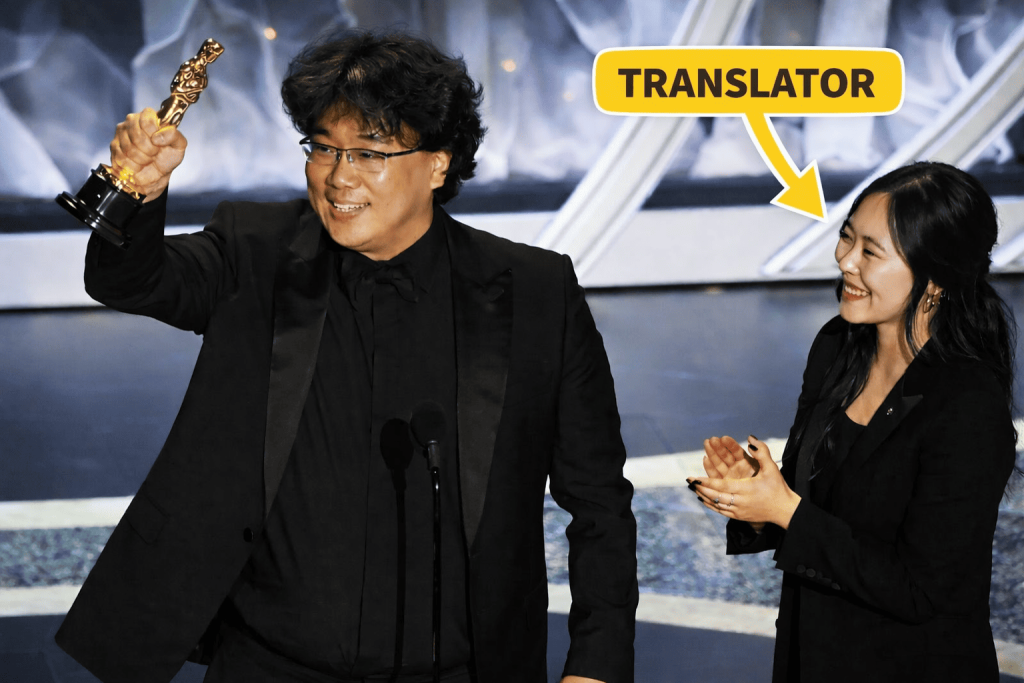
One of the key roles of interpreters at the Oscars is to ensure that nominees, presenters, and winners from around the world can communicate effectively with the audience and each other. With attendees coming from diverse linguistic backgrounds, interpreters play a vital role in bridging language gaps and ensuring that everyone is able to participate fully in the event.
Translators: Bringing Films to a Global Audience
In addition to live interpretation, translators also play a crucial role in bringing films from around the world to a global audience. Subtitling and dubbing are essential components of making foreign-language films accessible to viewers who may not understand the original language. The work of translators ensures that the artistic vision and cultural nuances of these films are preserved, allowing them to resonate with audiences worldwide.
Challenges and Rewards
Working as an interpreter or translator at the Oscars comes with its own set of challenges. The fast-paced nature of live events requires interpreters to think quickly and accurately convey the meaning of speeches and conversations. Translators, on the other hand, must carefully craft subtitles and dubbing scripts to ensure that they are both accurate and culturally sensitive.
Despite these challenges, the rewards of working at the Oscars are immense. Interpreters and translators have the opportunity to be part of a global celebration of cinema, interacting with some of the biggest names in the industry and helping to promote cultural exchange and understanding.
Conclusion
The Oscars would not be the same without the contributions of interpreters and translators. Their work behind the scenes ensures that the event is inclusive and accessible to people from all corners of the globe. As we celebrate the achievements of filmmakers and artists at the Oscars, let’s also take a moment to appreciate the vital role played by interpreters and translators in making the magic of cinema accessible to everyone. If you’re in need of high-quality translation services, look no further than Connected Translation. Our team of highly qualified translators is ready to help you connect with a global audience.

Daniel Brooks is a New York City-based writer and content strategist with a deep curiosity for how language shapes connection across cultures. With over ten years of experience crafting digital content for global audiences, Daniel brings a thoughtful and practical voice to the Connected Translations blog.