.webp)

Translating for Travel: A Linguistic Journey Around the World

Summary
Language plays a vital but often overlooked role in travel, shaping how deeply travelers can understand and engage with new destinations. Translation helps travelers overcome language barriers that make simple tasks—like ordering food or asking for directions—challenging in unfamiliar countries. Its importance begins even before departure, enabling travelers to accurately research flights, accommodations, and itineraries on international websites. However, travel-related translation is complex, requiring sensitivity to idioms, slang, regional language differences, and cultural nuances. While translation apps can be useful, they are best used as supplements rather than replacements for professional translators, especially in nuanced situations. Planning ahead, communicating clearly, and respecting cultural differences all contribute to better translation outcomes. As global travel continues to expand, the demand for skilled translators will grow. Ultimately, translation goes beyond words—it builds cultural bridges and enriches the travel experience by fostering understanding and connection across languages.
Introduction
Traveling opens up a world of possibilities, allowing us to immerse ourselves in different cultures, taste exotic cuisines, and marvel at breathtaking landscapes. But one aspect of travel that is often overlooked is the role of language and translation. Language is the key that unlocks the door to a deeper understanding of a place and its people, and translators are the unsung heroes who make this possible.
The Importance of Translation in Travel
Imagine arriving in a foreign country where you don’t speak the language. Simple tasks like ordering food or asking for directions suddenly become daunting challenges. This is where translation becomes invaluable. Translators bridge the gap between languages, helping travelers navigate unfamiliar terrain with ease.
Before You Travel: Using Translation for Travel Plans
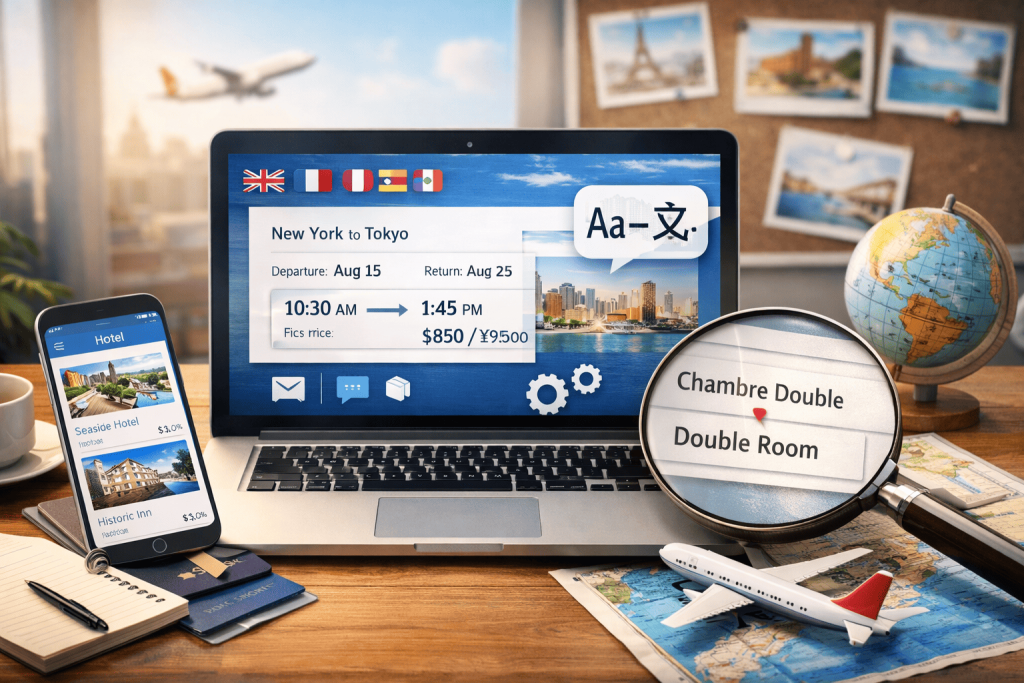
Even before you embark on your journey, translation plays a crucial role. When researching travel plans on websites that cater to different markets, such as airline or hotel websites, accurate translation ensures that you can make informed decisions. Understanding the details of your trip, from booking flights to finding accommodations, is made easier with the help of professional translation services.
Challenges of Translation in Travel
Translating in a travel context comes with its own set of challenges. Idioms, slang, and cultural nuances can be difficult to convey accurately in another language. Translators must also be aware of regional variations in language and customs, ensuring that their translations are both linguistically and culturally appropriate.
Tips for Travelers
For travelers looking to make the most of their journey, here are some tips for working with translators:
Plan Ahead: If you know you’ll need translation services during your trip, it’s best to plan ahead and hire a professional translator in advance.
Be Clear and Concise: When communicating with a translator, be clear and concise about your needs to ensure accurate translations.
Respect Cultural Differences: Be mindful of cultural differences and customs, as these can impact the way translations are interpreted.
Use Technology Wisely: While translation apps can be helpful, they are not always reliable. Use them as a supplement to human translation, especially in complex situations.
Translating for the Future
As the world becomes increasingly interconnected, the demand for translation services in the travel industry will continue to grow. Translators will play a crucial role in helping travelers explore new destinations and connect with people from different backgrounds.
In conclusion, translation is not just about converting words from one language to another; it’s about building bridges between cultures and fostering mutual understanding. So the next time you embark on a journey, remember to appreciate the work of translators, who make it possible for you to experience the world in all its linguistic richness.