.webp)

What Are Some Different Cultures and Their Unique Traditions?
Summary
Cultural traditions are a cornerstone of every society, offering insight into history, values, and community. In this blog, we explore the rich variety of cultural practices from different regions around the world. Whether it’s through food, celebrations, or rituals, these traditions continue to shape modern life and global interactions. Understanding them helps businesses and individuals communicate more effectively across cultures and strengthen international relationships.
1. What Are Cultural Traditions?
Cultural traditions are the customs, practices, and rituals passed down through generations. They represent a society’s collective values, beliefs, and ways of life. These traditions often shape everything from family structures to national celebrations, and they can influence everything from how people interact with each other to the kinds of foods they eat.
Cultural traditions are constantly evolving, but they maintain an important role in preserving the identity of a community. While some practices may have evolved over time, many continue to be deeply ingrained in daily life.
Family Traditions: Family meals, holidays, or rites of passage that are celebrated together.
Religious Celebrations: Marking significant religious events or festivals.
Food Traditions: Every culture has its own unique dishes passed down through generations, often tied to historical significance.
Why This Matters for Global Communication?
Understanding the cultural traditions of other countries is essential in today’s globalized world. For businesses, travelers, or anyone interacting across borders, these traditions shape not only how people communicate but also how they perceive respect, trust, and relationships. By respecting and embracing these cultural traditions, we can avoid misunderstandings, enhance communication, and build stronger, more meaningful relationships.
2. Top 10 Cultures and Their Unique Traditions
Across the globe, every culture has its own fascinating traditions. Here are 10 cultures and some of their most notable customs:
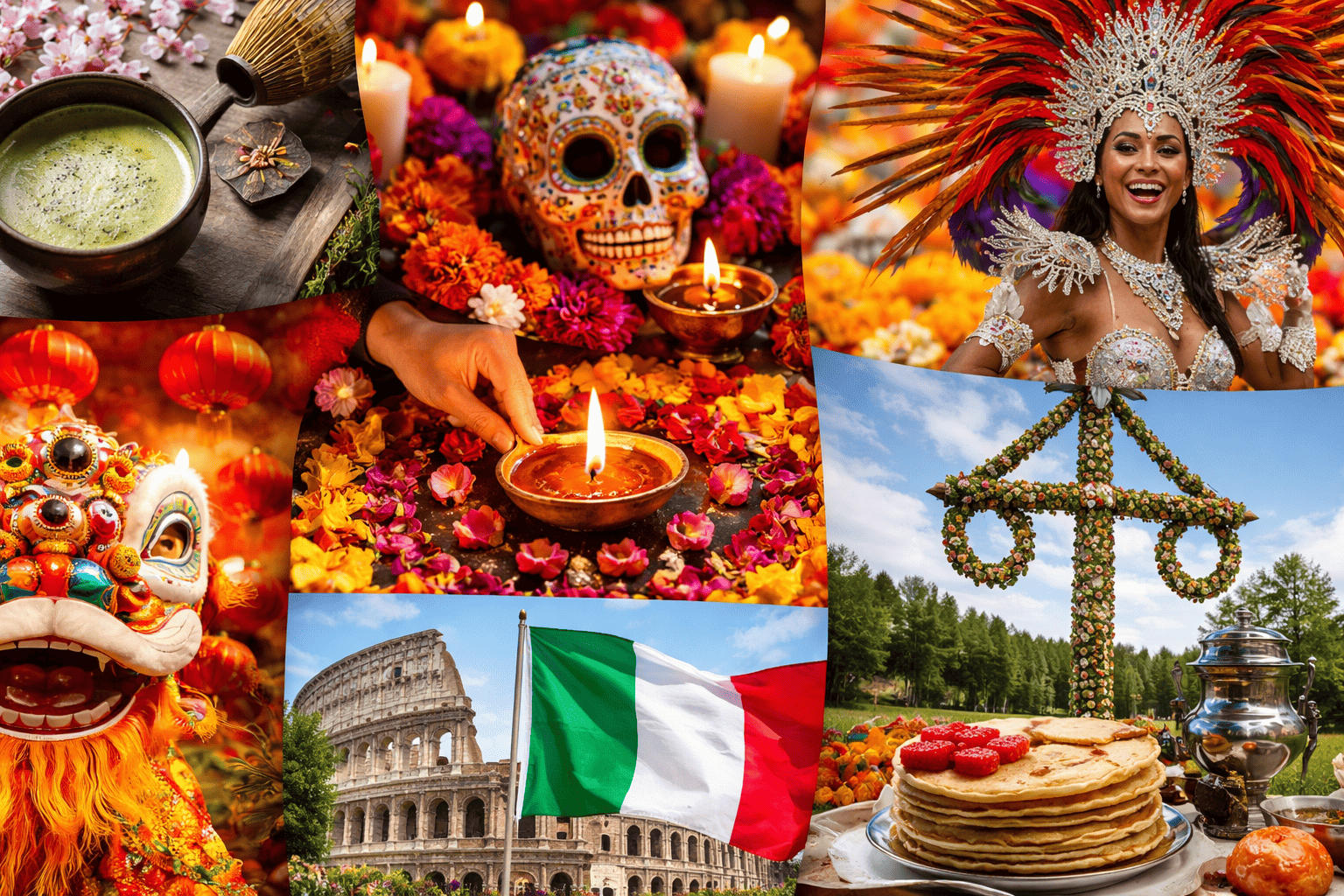
Japanese Culture: The Art of Tea Ceremony
Tradition: The Japanese Tea Ceremony (Chadō) is a centuries-old practice of preparing and drinking matcha, green tea powder. The ceremony is highly ritualized, emphasizing respect, purity, and tranquility.
Why It’s Unique: It is not just about tea but about creating a peaceful, meditative experience, highlighting the importance of harmony and respect in Japanese culture.
Indian Culture: Diwali, The Festival of Lights
Tradition: Diwali, the Festival of Lights, celebrates the victory of light over darkness and good over evil. It is marked by lighting oil lamps, decorating homes, and exchanging sweets.
Why It’s Unique: It’s a deeply spiritual and family-oriented holiday, and its customs are a blend of religious beliefs and joyful celebration.
Mexican Culture: The Day of the Dead (Día de los Muertos)
Tradition: This tradition honors the deceased with elaborate altars, marigolds, sugar skulls, and food offerings.
Why It’s Unique: Unlike many cultures that mourn death, Mexico’s Day of the Dead celebrates the lives of ancestors, blending joy with remembrance.
Chinese Culture: Chinese New Year
Tradition: Celebrated based on the lunar calendar, Chinese New Year involves fireworks, dragon dances, and family reunions, lasting up to 15 days.
Why It’s Unique: This festival involves customs like giving red envelopes with money (hongbao) for good luck and eating dumplings for prosperity, symbolizing renewal and new beginnings.
Italian Culture: La Festa della Repubblica (Republic Day)
Tradition: Republic Day, celebrated on June 2nd, marks the establishment of the Italian Republic in 1946. The day is filled with parades, military displays, and fireworks.
Why It’s Unique: It celebrates Italy’s national identity and its rich artistic, historical, and democratic heritage.
Brazilian Culture: Carnival
Tradition: Carnival is an energetic and colorful celebration of music, dance, and parades, most notably in Rio de Janeiro before Lent.
Why It’s Unique: With samba schools and massive street parties, Carnival is a fusion of African, Portuguese, and indigenous traditions that energize Brazil’s cultural identity.
Swedish Culture: Midsummer Festival
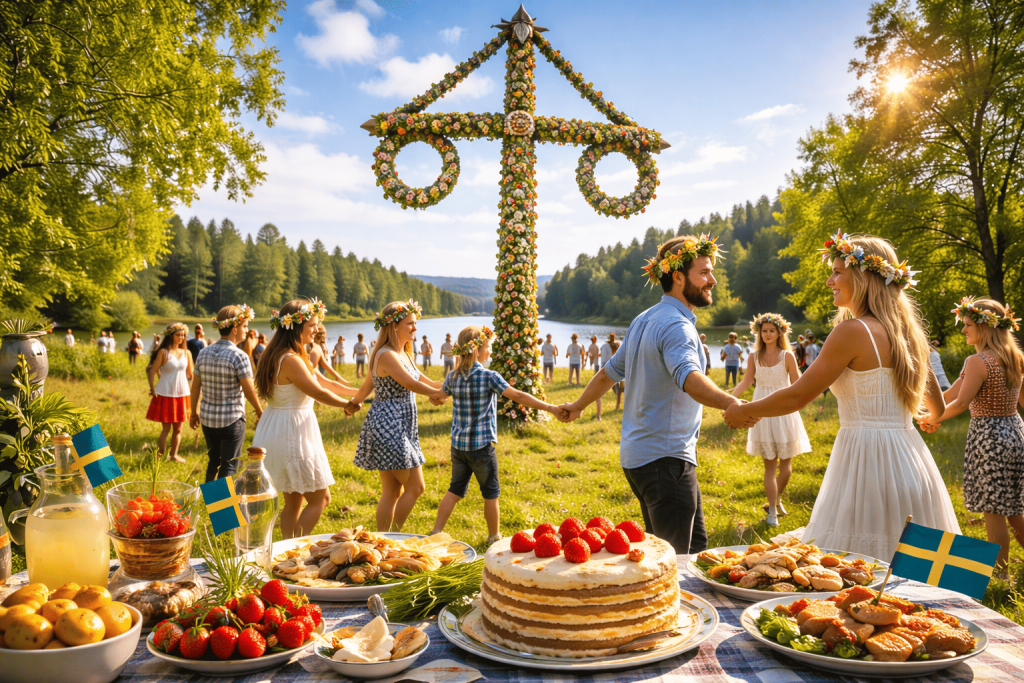
Tradition: Midsummer celebrates the summer solstice, a time when the sun never sets in northern Sweden. People dance around the midsummer pole, eat traditional foods, and enjoy the long daylight hours.
Why It’s Unique: The festival focuses on nature and fertility, and it is one of the most important holidays in Sweden, celebrated with great joy and togetherness.
French Culture: Bastille Day
Tradition: Bastille Day, celebrated on July 14th, marks the French Revolution and the storming of the Bastille in 1789. The day is commemorated with military parades, fireworks, and concerts.
Why It’s Unique: It embodies the core French values of freedom, equality, and fraternity, offering an exuberant celebration of national pride and history.
Russian Culture: Maslenitsa
Tradition: Maslenitsa is a traditional Russian celebration of the arrival of spring. It includes eating pancakes (blini), burning a straw effigy, and enjoying outdoor festivities.
Why It’s Unique: The week-long celebration of renewal and the coming of spring is filled with joy, family bonding, and rituals that mark the transition from winter to summer.
Egyptian Culture: Eid al-Fitr
Tradition: Eid al-Fitr marks the end of Ramadan, the month of fasting. In Egypt, it’s a time for families to come together for prayer, food, charity, and gift exchanges.
Why It’s Unique: Special sweets like kahk (cookies) are made for the occasion, and the day strengthens family and religious bonds, fostering a sense of unity and generosity.
3. Cultural Traditions in International Business Interactions
Understanding cultural traditions is essential not only for fostering personal relationships but also for effective business dealings across borders. Here’s how cultural traditions impact global business:
Business Etiquette: In Japan, bowing is an important form of greeting and showing respect in business settings. Lack of knowledge about this custom could result in awkward or offensive situations.
Negotiation Styles: In Mexico, business meetings often start with small talk to build trust before discussing business. Rushing into business discussions might be considered impolite.
Marketing and Consumer Behavior: Chinese New Year is a time when businesses launch promotional campaigns, and Christmas is a major retail event in Western countries. Understanding these timing and cultural influences helps businesses plan successful marketing strategies.
Why Cultural Understanding Is Crucial for Business Success
As globalization continues to shape the modern marketplace, cultural sensitivity is key to creating strong, effective relationships. For businesses working internationally, it’s important to:
Respect cultural differences in business practices and etiquette.
Adapt marketing strategies to local cultural celebrations and traditions.
Communicate in a culturally aware manner, avoiding misunderstandings or offensive actions.
At Connected Translations, we understand the importance of cultural sensitivity in international business. Our translation services not only ensure linguistic accuracy but also offer insights into cultural nuances to help you succeed in international markets.