.webp)

10 Fascinating Cultural Traditions Around the World You Need to Know
Summary
The article explains that culture goes beyond visible elements like food or festivals and is rooted in repeated habits, shared meanings, and unspoken traditions. By exploring ten global traditions, from the quiet precision of the Japanese tea ceremony to the vibrant chaos of Holi and La Tomatina, it shows how cultures differ in expression but share common purposes. These include marking time, building connection, and preserving memory. Key patterns across traditions include repetition, participation, adaptation, and simplicity, which help keep them alive across generations. Ultimately, the article highlights that understanding culture requires looking beneath the surface, as true meaning is shaped by context and collective experience, not just observation.
When people say different types of culture, they usually mean obvious things, such as food, festivals, and clothing. That’s the visible layer. The deeper part is harder to notice. It sits in habits, in how people gather, what they repeat every year, and what they don’t question because it’s always been done that way.
If you look at different culture closely, patterns start to show up. Not identical ones, but similar intentions, marking time, building connection, remembering something important.
Here are ten traditions that make that clearer.
1. The Japanese Tea Ceremony
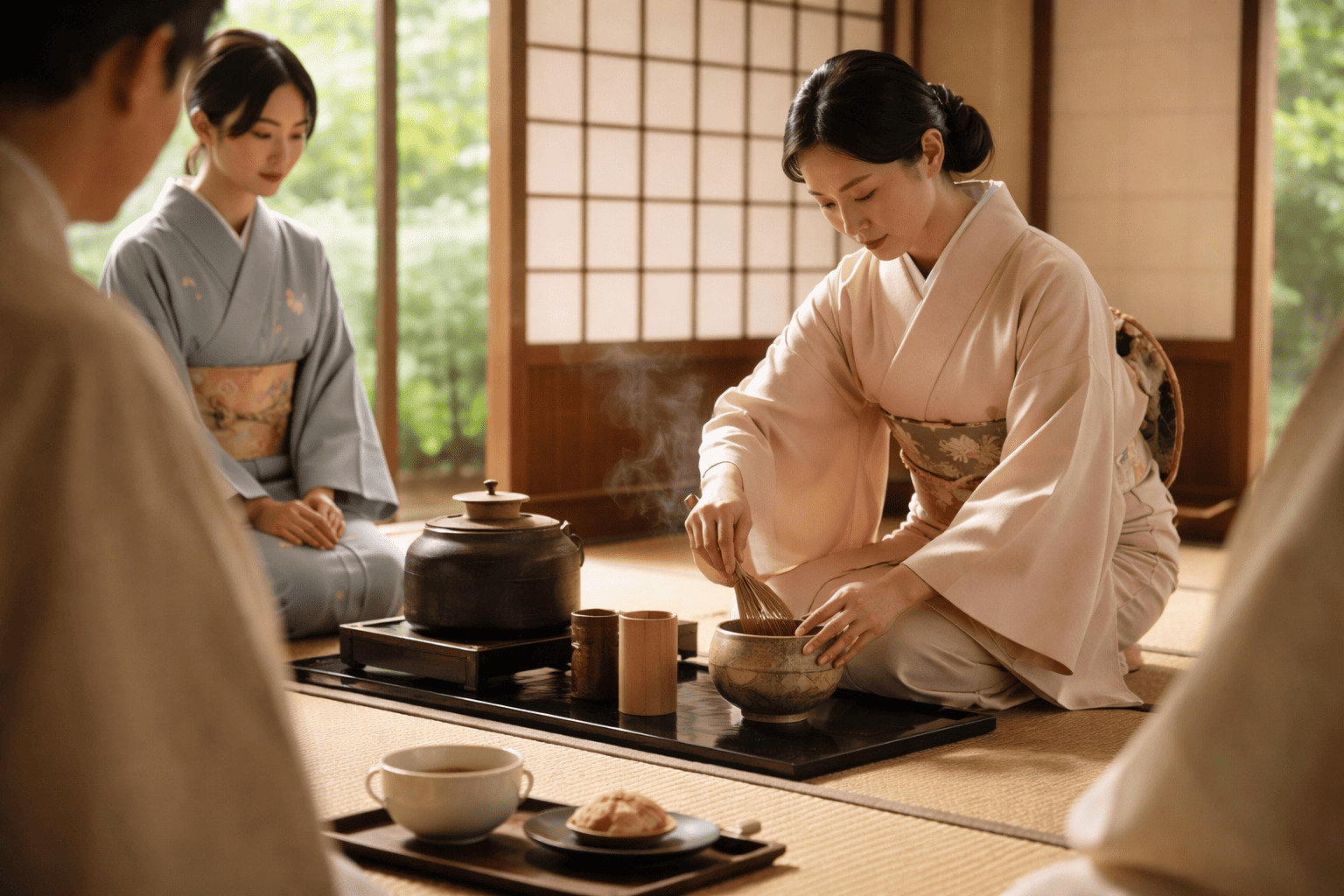
The Japanese tea ceremony is quiet. Not “calm music in the background,” but actual silence that fills the room.
Nothing in the process is improvised. Every movement, from how the tea bowl is picked up to how it is turned, is practiced and repeated the same way. The tools are cleaned in a specific order. The tea is prepared slowly, without distraction. Guests don’t interrupt. They observe.
If you’re not used to it, the stillness can feel long. That pause is intentional. The ceremony isn’t trying to entertain, it’s asking you to slow down enough to notice what’s happening.
What stands out is control. Even the smallest actions are deliberate. There’s no extra movement, no unnecessary gesture. Some cultures express meaning by adding more elements. Here, meaning comes from removing everything that isn’t essential.
2. Holi in India
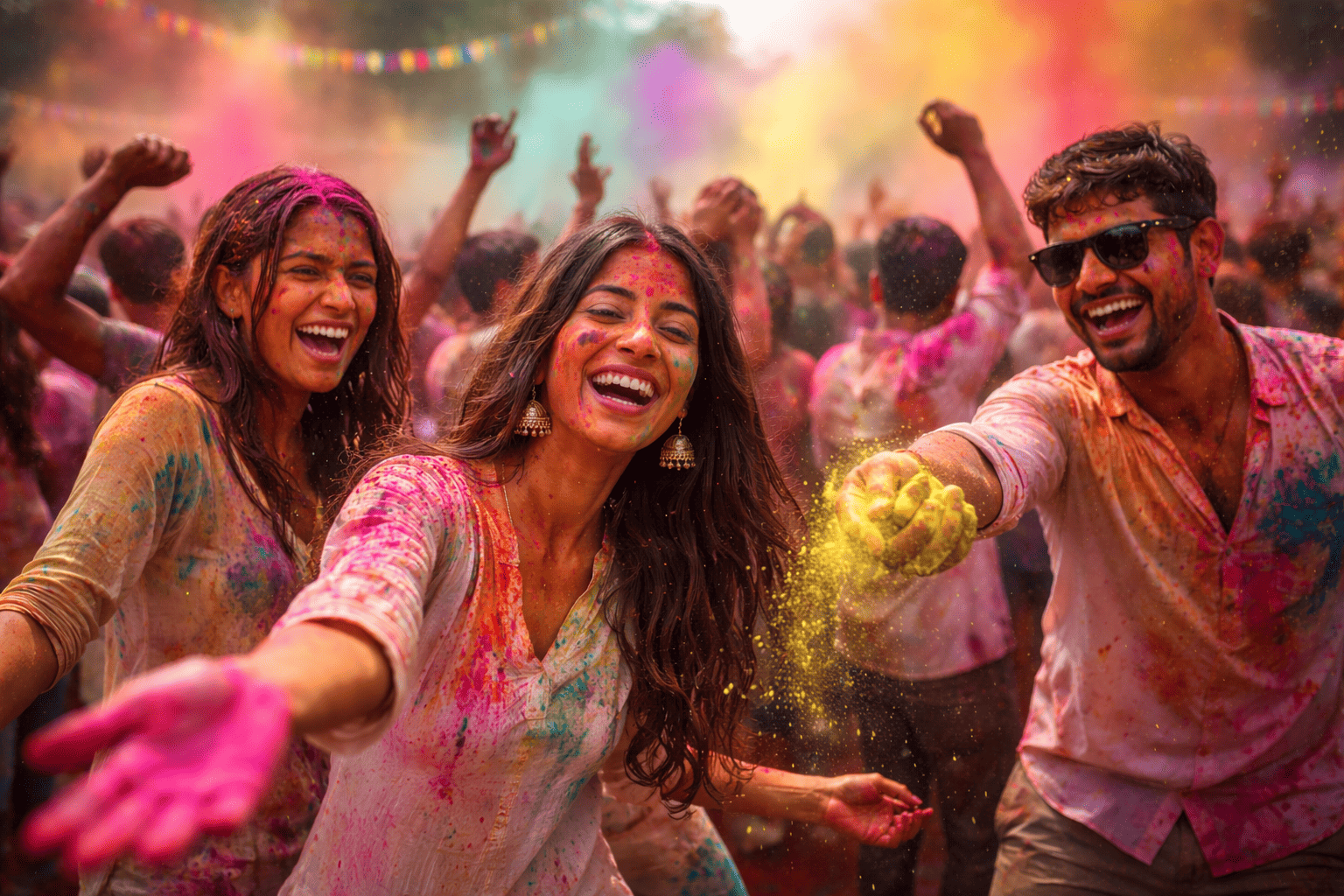
Holi doesn’t build slowly. It starts all at once.
People step outside knowing they’ll be covered in color within minutes. Dry powder, colored water, music everything overlaps. You don’t always know where the sound is coming from, but it’s there, constant.
The night before, there’s a bonfire, Holika Dahan. It marks a shift, but the real change happens the next day. Social boundaries loosen quickly. Strangers approach each other without hesitation. Faces become unrecognizable under layers of color.
What makes Holi different isn’t just the visual chaos. It’s how fast the distance disappears between people. For a few hours, hierarchy, routine, and hesitation take a step back. That kind of shift is rare in everyday life.
3. Maasai Jumping Dance
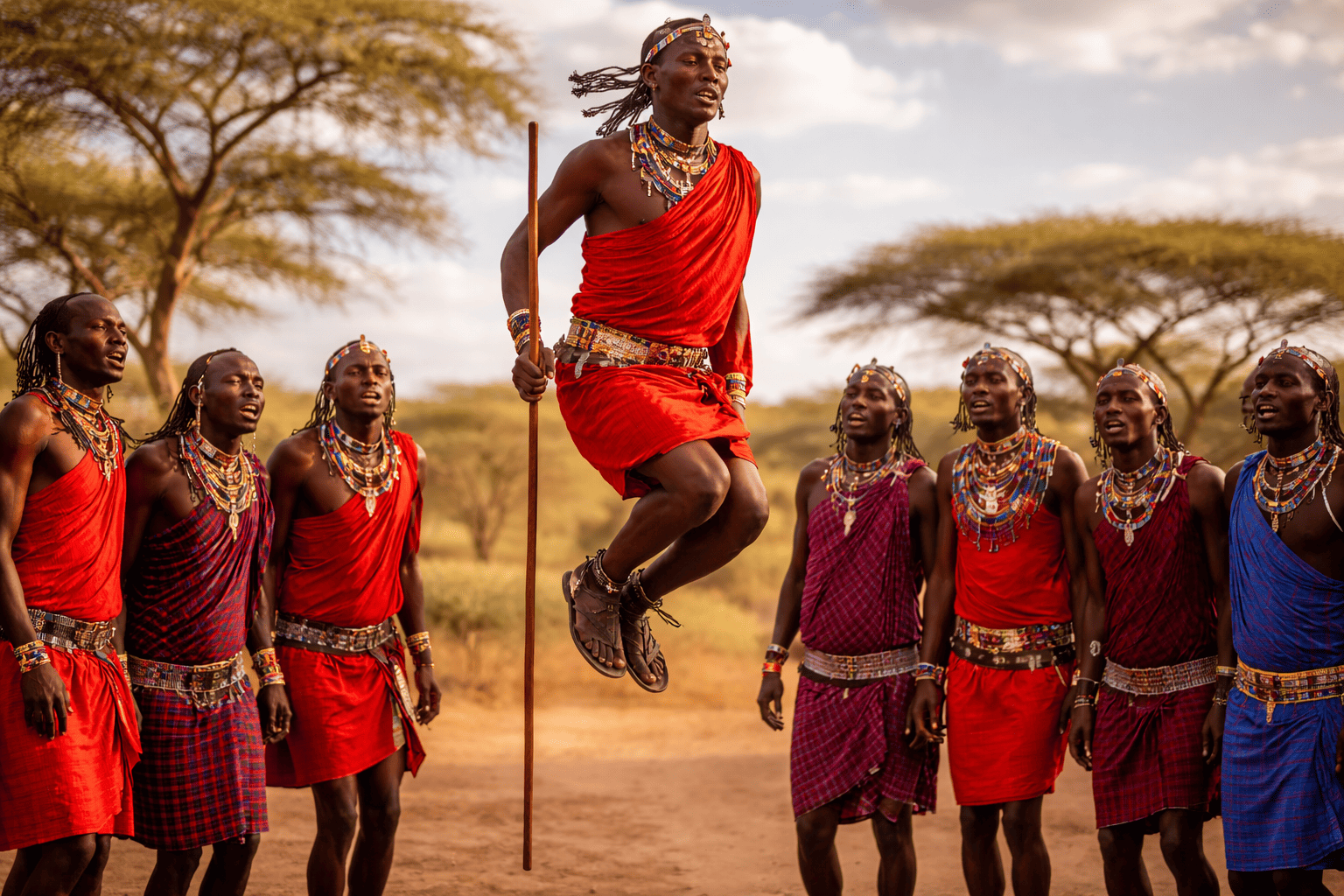
The Maasai jumping dance, or Adumu, looks simple from a distance.
One person steps forward, jumps straight up, lands, and repeats. There’s no dramatic setup, no stage, no spotlight. Others stand in a circle, watching closely, waiting for their turn.
But the simplicity is deceptive. The jump isn’t random. It’s controlled, vertical, and measured. There’s no bending forward or using momentum. Height matters, but so does posture and rhythm.
It’s also tied to identity. Among the Maasai, this dance is often associated with young warriors. It reflects strength, endurance, and presence. No one announces status directly but it becomes visible through performance.
4. Chinese New Year
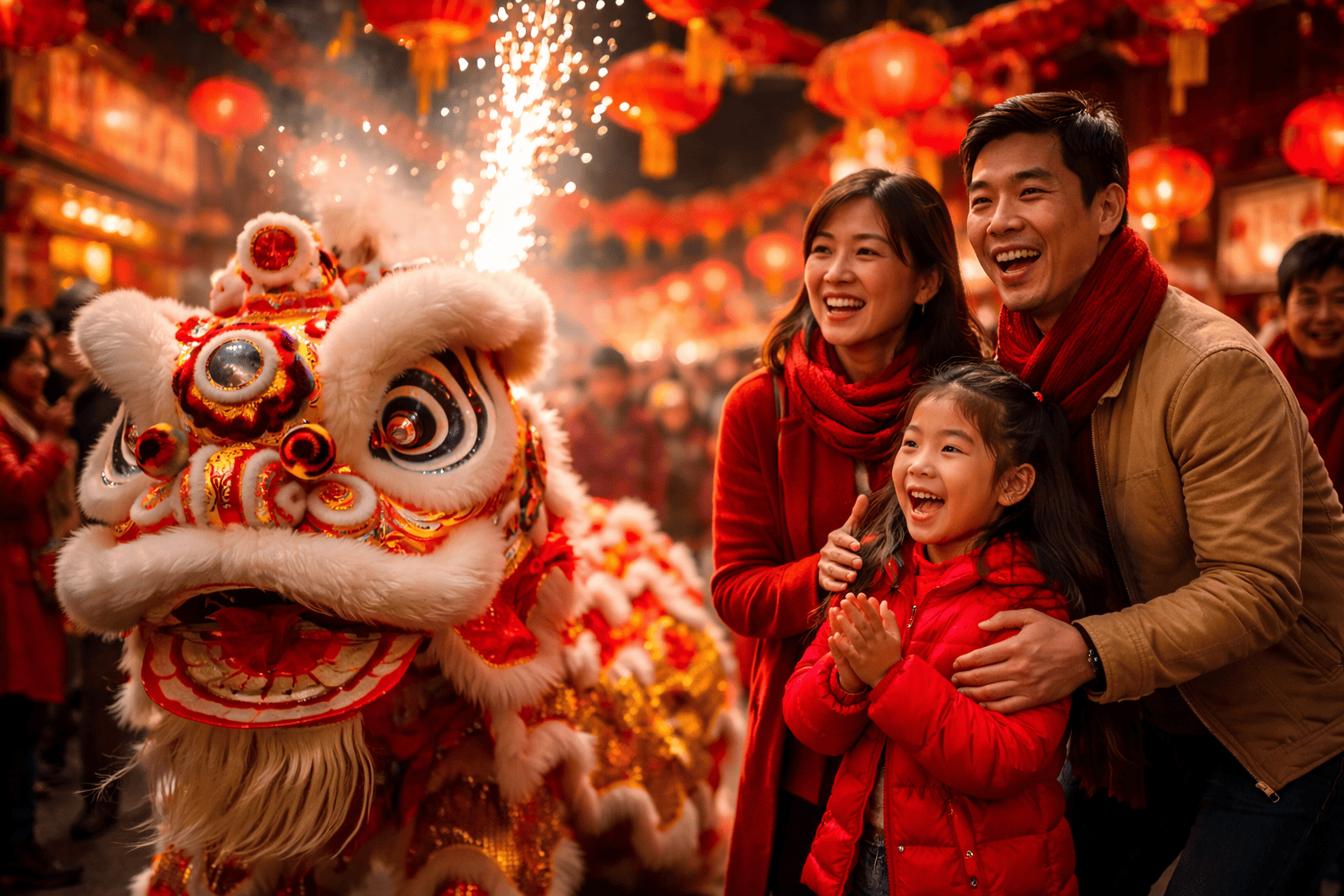
Chinese New Year doesn’t rely on spontaneity. It’s built on repetition.
Before the new year begins, homes are cleaned thoroughly. Decorations, mostly red, are placed in familiar spots. Meals follow patterns that repeat every year, often including symbolic foods tied to luck and prosperity.
At first, it can seem routine. But that repetition is what gives it structure. People know what to expect, and that expectation carries meaning.
Children grow into the tradition gradually. Older generations don’t need reminders, they continue the same practices because they’ve always been done that way. Maintaining that level of continuity across decades isn’t easy, but that’s exactly what keeps the festival stable.
5. La Tomatina in Spain
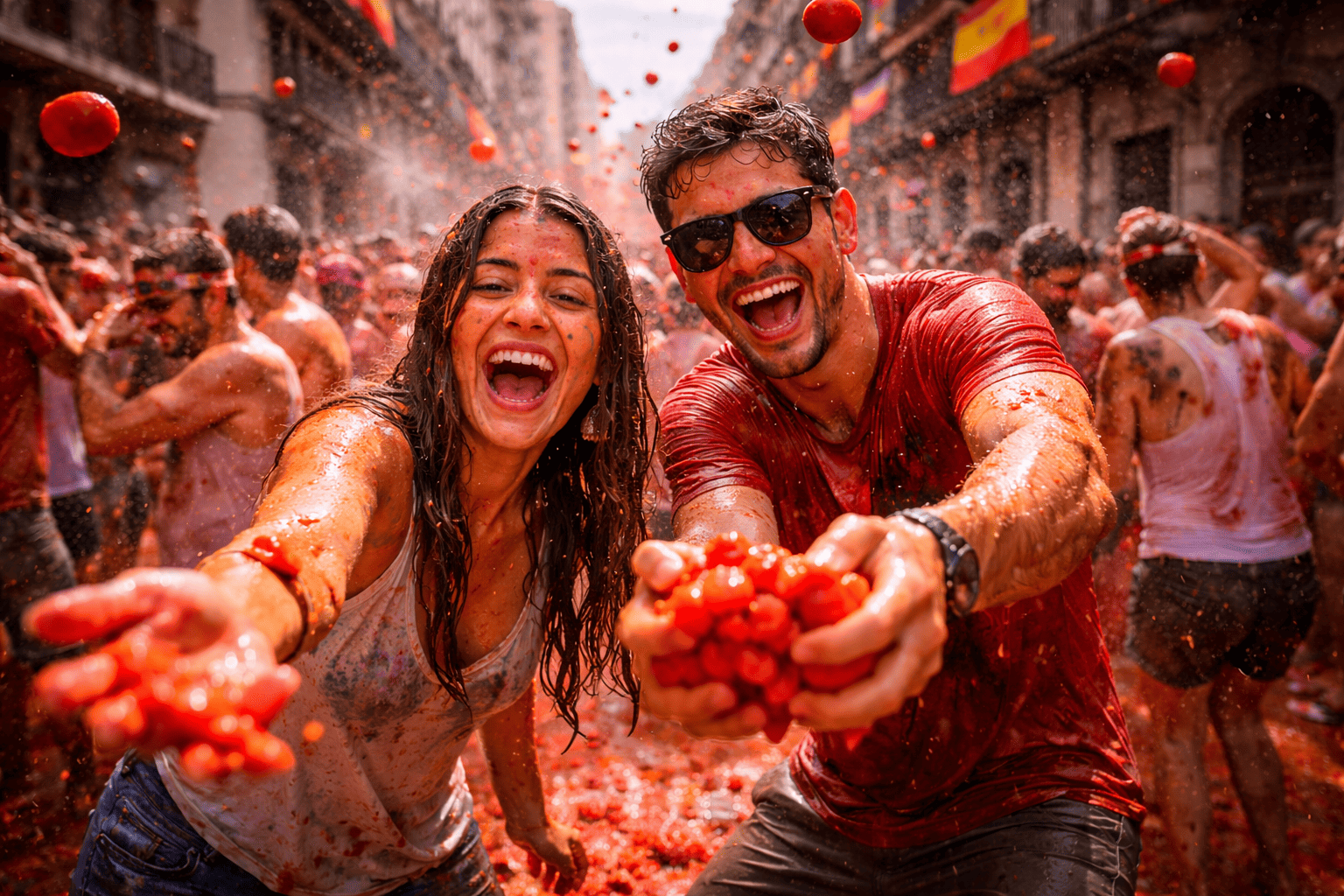
La Tomatina is exactly what it sounds like: people throwing tomatoes at each other.
The event lasts about an hour. It doesn’t follow the structure of traditional ceremonies. There are no rituals, no symbolic gestures, no deeper narrative being acted out in the moment.
But that doesn’t make it meaningless.
Thousands of people gather for it every year. The streets fill quickly, and within minutes, everything is covered: people, buildings, the ground itself. The experience is shared, immediate, and temporary.
What it shows is that not every tradition depends on formality. Sometimes, collective participation is enough. The shared disorder creates its own kind of connection, even without structure.
6. Day of the Dead in Mexico
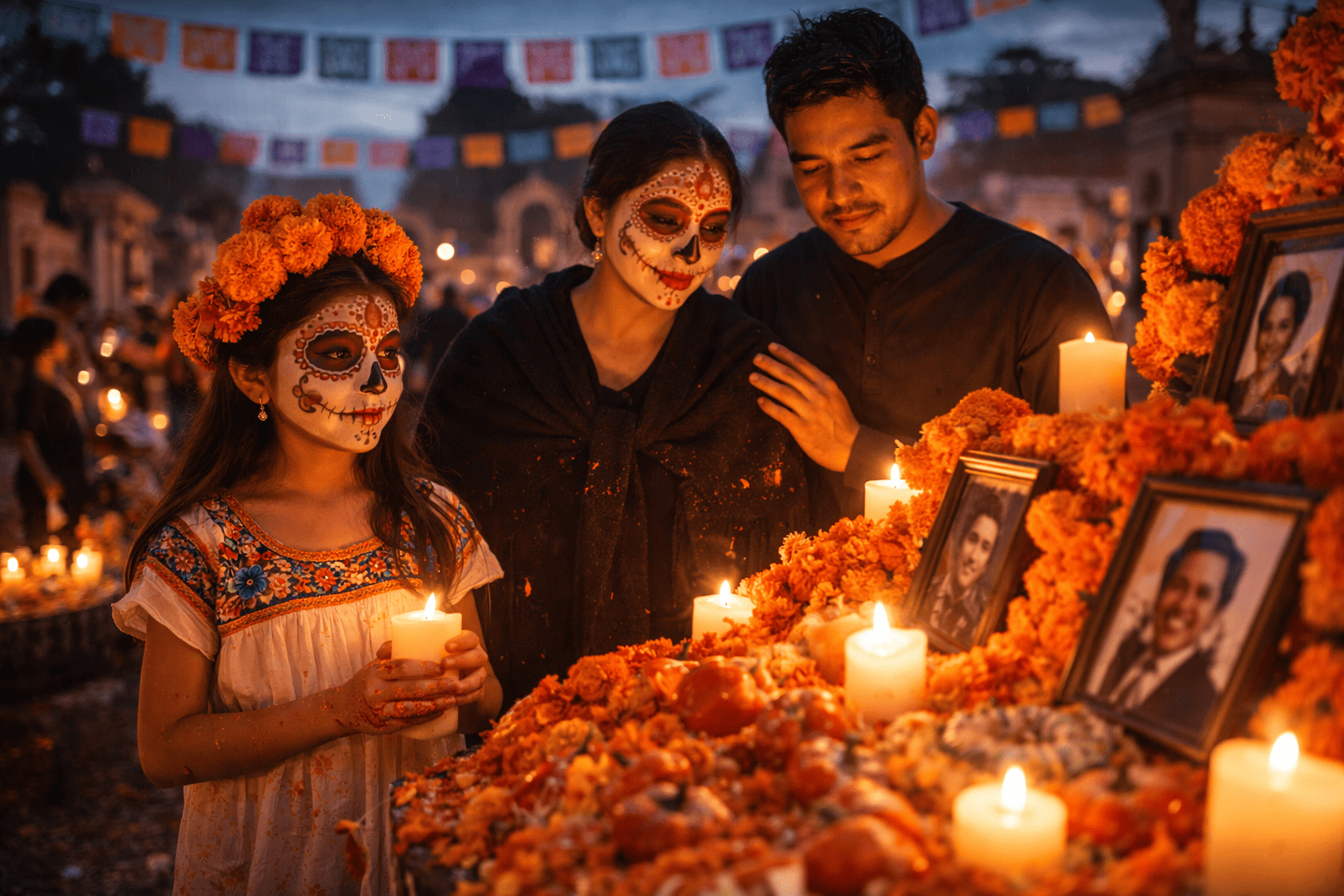
The Day of the Dead approaches loss differently.
Families build altars ofrendas with photographs, candles, food, and personal items. These aren’t just displays. They’re meant to welcome back the memory of those who have passed.
People visit graves, but not only to mourn. They clean them, decorate them, and spend time there. In some cases, they stay for hours.
The tone is distinct. There is emotion, but it isn’t limited to grief. There’s conversation, storytelling, and even humor.
What stands out is the intention to maintain connection. Instead of distancing from death, the tradition brings it into everyday space, making it something that can be acknowledged openly rather than avoided.
7. Highland Games in Scotland
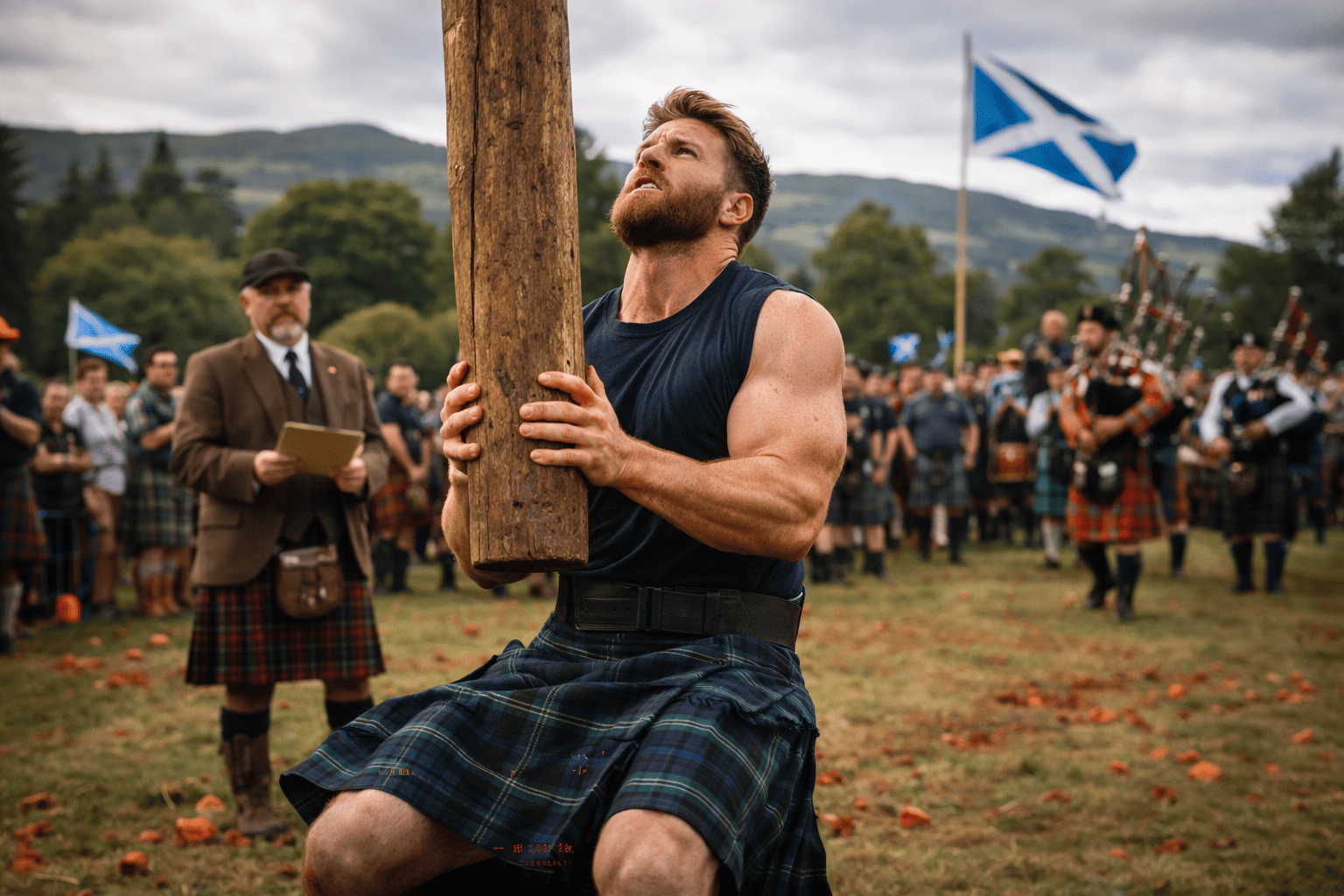
The Highland Games revolve around strength, but they’re not just about competition.
Events like caber tossing, where participants lift and flip a large wooden log, look straightforward at first. In reality, they require precision, balance, and control. It’s not just about lifting weights; it’s about handling them correctly.
Alongside these events, there’s music, especially bagpipes, and gatherings that bring people together beyond the contests.
The games carry history. They reflect older forms of testing physical ability, but they’ve been preserved in a way that still feels relevant.
Some traditions continue not because they are easy, but because they’ve become part of how a community defines itself.
8. Inti Raymi in Peru
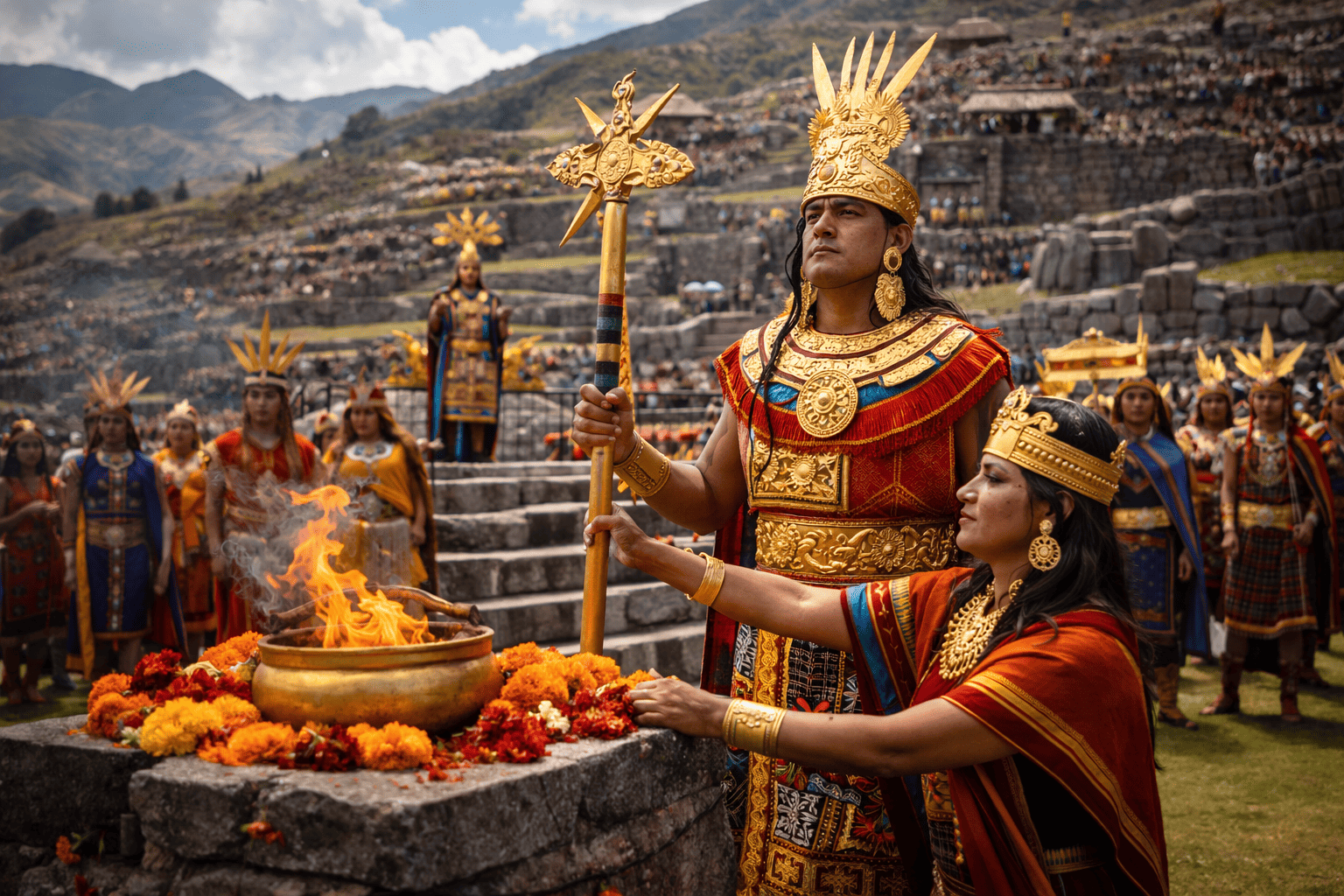
Inti Raymi is a reenactment, but it doesn’t feel like a simple performance.
It recreates an Incan ceremony dedicated to the sun god, Inti. People gather to watch it unfold in stages, often in historically significant locations.
It isn’t exact history, no reenactment ever is, but it stays close enough to reflect its origins.
The difference is in how it’s experienced. Instead of reading about the past, people see it enacted in front of them. That changes how it’s understood.
It becomes less abstract. The past feels present, even if only for a short time.
9. Up Helly Aa in Scotland
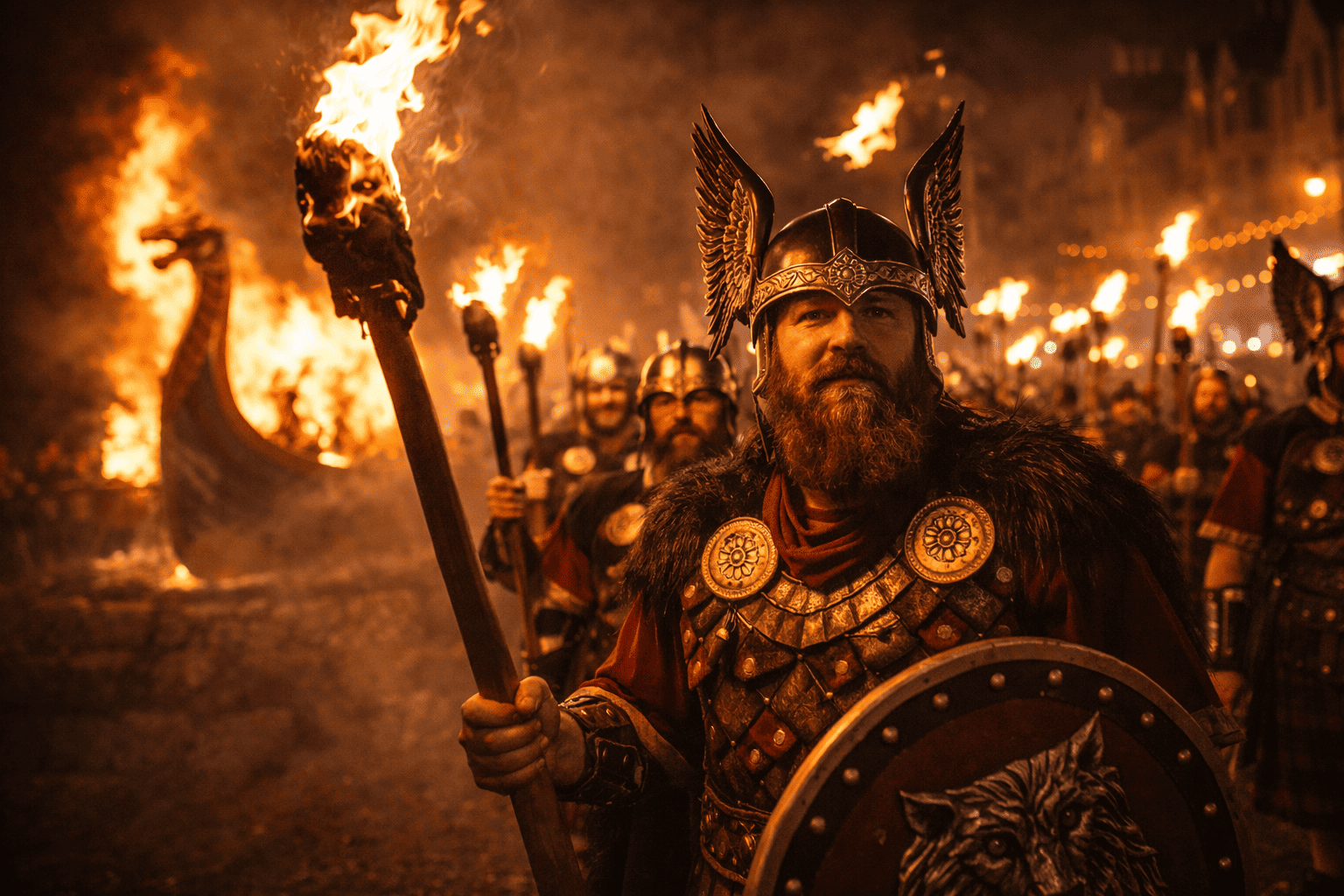
Up Helly Aa builds gradually and ends with a clear visual moment.
Participants dress in Viking-inspired clothing and carry torches through the streets. The procession is organized, even though it looks chaotic from the outside.
At the end, a replica ship is set on fire.
The event is structured carefully, from roles to timing. It isn’t spontaneous. The drama comes from how it’s executed, not from unpredictability.
Turning history into something active keeps people involved. It moves beyond information and becomes something experienced collectively.
10. Songkran in Thailand
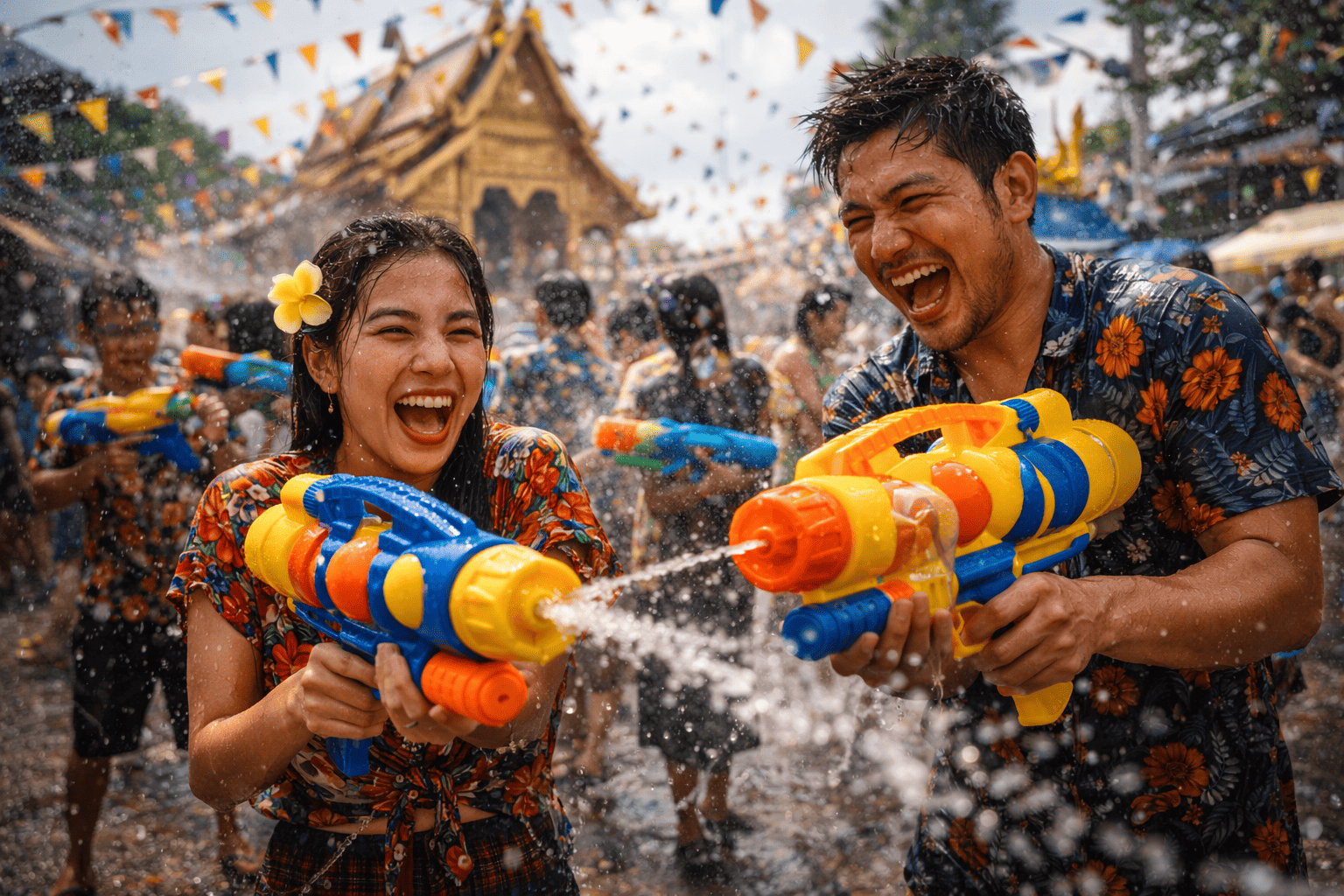
Songkran has changed in scale, but not in meaning.
Originally, it involved gently pouring water as a sign of respect, often directed toward elders or symbolic figures like Buddha statues.
Today, it’s much larger. Streets fill with people throwing water using buckets, hoses, or water guns. It’s loud, crowded, and difficult to avoid if you’re outside.
Even with that shift, the core idea remains. Water represents cleansing and renewal a way to mark a fresh start.
The form evolved to fit modern life. The meaning stayed consistent underneath it.
What These Traditions Have in Common
| Pattern | What It Shows |
|---|---|
| Repetition | Keeps traditions stable over time |
| Participation | Without people, traditions fade quickly |
| Adaptation | Change doesn’t always erase meaning |
| Simplicity | Some traditions work because they stay simple |
Understanding Different Types of Culture
Looking at these examples, one thing becomes clear. No culture is built only on big events. It is built on what people repeat year after year, generation after generation.
That is where different types of culture connect. The form changes, but the purpose often does not. People gather. They mark time. They hold on to something they do not want to lose.
Once you notice that, a different culture stops feeling distant. It simply feels different in expression.
Why Understanding Culture Takes More Than Observation
It is easy to watch a tradition and assume you understand it. That is usually where mistakes happen. Meaning does not always sit on the surface. It is tied to language, context, and shared understanding within a community.
That is where Connected Translations comes in. Translating words is one part of the job. Making sure the meaning carries over is the harder part.

Daniel Brooks is a New York City-based writer and content strategist with a deep curiosity for how language shapes connection across cultures. With over ten years of experience crafting digital content for global audiences, Daniel brings a thoughtful and practical voice to the Connected Translations blog.