Contact Us
.webp)

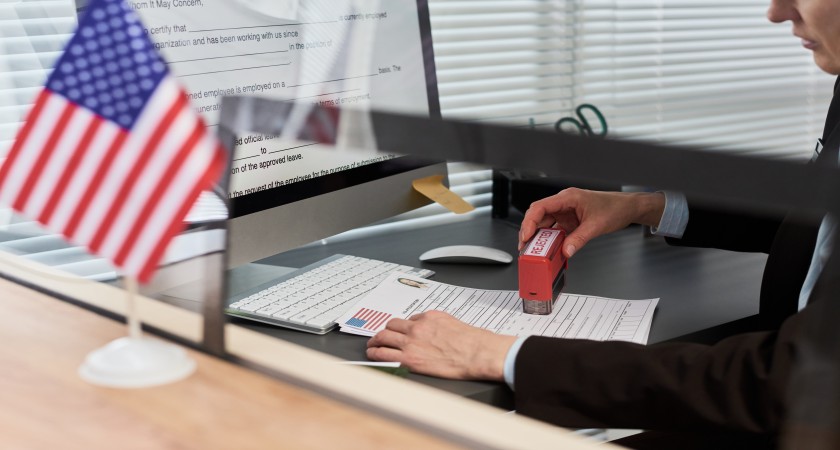
What are Common Documents Requiring USCIS Certified Translation?
SummaryNavigating the USCIS process can be complex, especially when it involves translating critical documents. Certified translations for USCIS are essential for ensuring your application is complete. This blog outlines common documents that require certified translation and the steps you need to take for successful submissions. When applying for immigration benefits through USCIS, the United States… Continue reading What are Common Documents Requiring USCIS Certified Translation?

How ATA Translation Certification Builds Trust in Professional Translations
In today’s globalized world, translation errors can be costly. For businesses, legal matters, or immigration cases, a small mistake could mean delays, additional costs, or even rejections. ATA translation certification can provide peace of mind by ensuring translations are accurate and meet the necessary legal standards. In this post, we’ll explore why ATA-certified translators are critical to your success and how they can help avoid potentially disastrous outcomes.

Beyond CAT Tools: The 3 Software Integrations That Will Define Localization in 2026
Summary In 2026, localization failures won’t come from poor translations—they’ll come from disconnected systems. As certified and USCIS-approved translations become deeply embedded in immigration, legal, healthcare, and regulated US workflows, CAT tools alone are no longer enough. This article explains the three critical software integrations that will define localization in 2026: workflow and case management… Continue reading Beyond CAT Tools: The 3 Software Integrations That Will Define Localization in 2026

Does USCIS Require Notarized Translations? Translator Rules Clarified
Summary Many immigration applicants assume USCIS requires notarized translations, but that assumption often leads to unnecessary steps—and costly mistakes. In reality, USCIS does not require notarization for translated documents. What it does require is certification. Every non-English document submitted to USCIS must be translated in full and accompanied by a signed certification statement from a… Continue reading Does USCIS Require Notarized Translations? Translator Rules Clarified
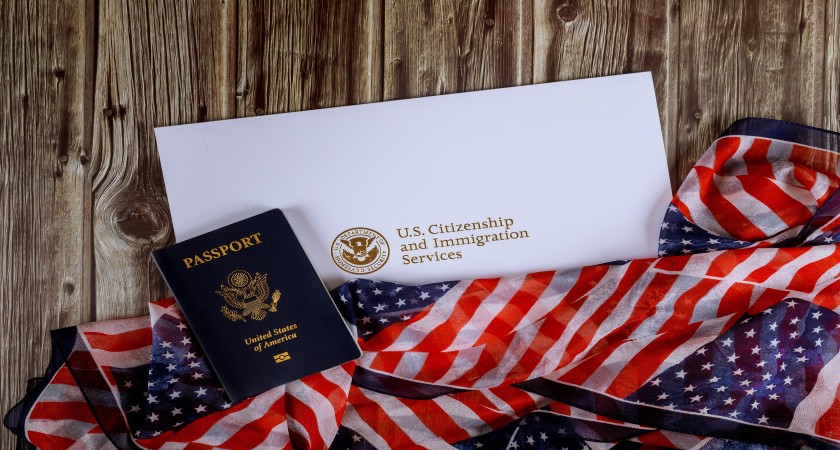
How Immigration Translation Services Support Family-Based Petitions
Summary Family-based immigration petitions require more than just submitting the right forms—every supporting document must be accurate, complete, and properly translated to meet USCIS standards. Immigration translation services play a critical role by ensuring that birth certificates, marriage certificates, and proof-of-relationship documents are translated with legal precision and certified for acceptance. Even small translation errors… Continue reading How Immigration Translation Services Support Family-Based Petitions

Is ATA Certification Mandatory for Legal and Immigration Translations?
SummaryWhen it comes to legal and immigration documents, precision and accuracy are crucial. While ATA certification isn’t always required by law, it’s highly recommended for ensuring that your translations meet legal and procedural standards. In this post, we’ll explore the importance of American Translators Association ATA certification for your legal and immigration translations and how… Continue reading Is ATA Certification Mandatory for Legal and Immigration Translations?