.webp)

USCIS Document Translation: Everything Immigrants Need to Know
Summary
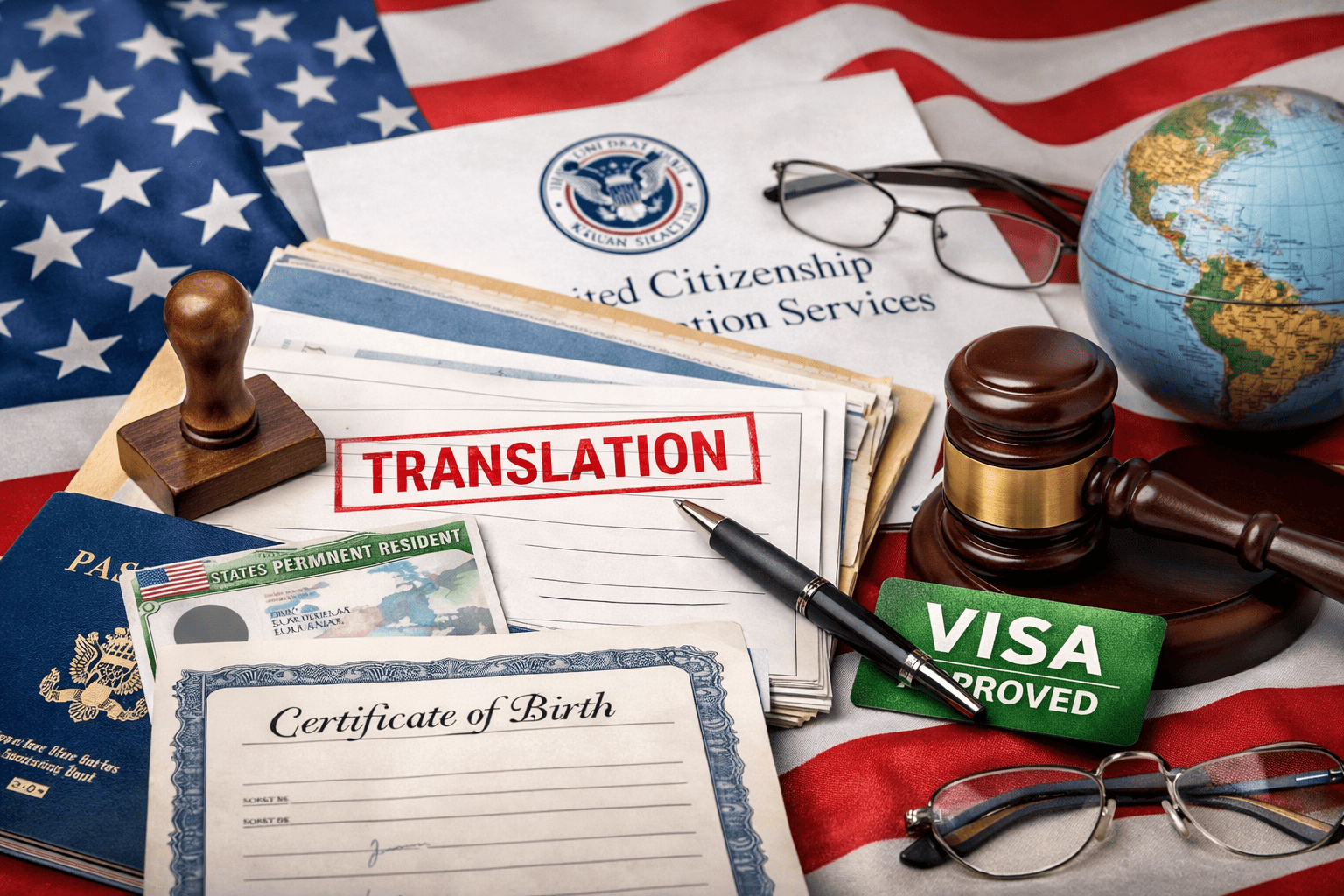
When applying for immigration to the United States, proper USCIS document translation is crucial to avoid delays or rejections. This blog explores what you need to know about certified translations, how to choose the right USCIS translator, and why accuracy matters when submitting official documents.
USCIS Document Translation: What Immigrants Need to Know
Immigrants applying for U.S. citizenship, residency, or other benefits must navigate an array of documents. One critical step is ensuring that all foreign language documents are accurately translated into English. USCIS (United States Citizenship and Immigration Services) requires USCIS document translation for a wide range of documents, including birth certificates, marriage certificates, and academic records. But why is it so important?
Let’s break it down: Not only does incorrect or inaccurate translation risk delays in processing, but it can also result in outright rejections of your application. Whether you’re applying for a visa, green card, or citizenship, having certified translations is essential.In this blog, we’ll explore the role of certified translations in USCIS applications, the difference between certified and non-certified translations, and how to find a reliable USCIS translator for your needs.
1. Why Accurate USCIS Document Translation is Crucial
When you submit documents to USCIS, they need to be translated into English if the original documents are in a foreign language. The accuracy of these translations is vital—small mistakes can cause significant delays or even lead to the denial of your application.
The Importance of Certified Translations
A certified translation is a translation that comes with a signed statement from the translator asserting that the translation is accurate and complete to the best of their knowledge. USCIS requires certified translations for all foreign-language documents submitted as part of an immigration application.
Here’s why certified translations matter:
- Legal Compliance: Certified translations meet legal requirements and are accepted by USCIS for official purposes.
- Accuracy: Certified translators are typically fluent in both the source and target languages, ensuring that the translation is both accurate and faithful to the original.
- Avoid Delays and Rejections: USCIS may reject an application if it finds that a document translation is inaccurate or incomplete.
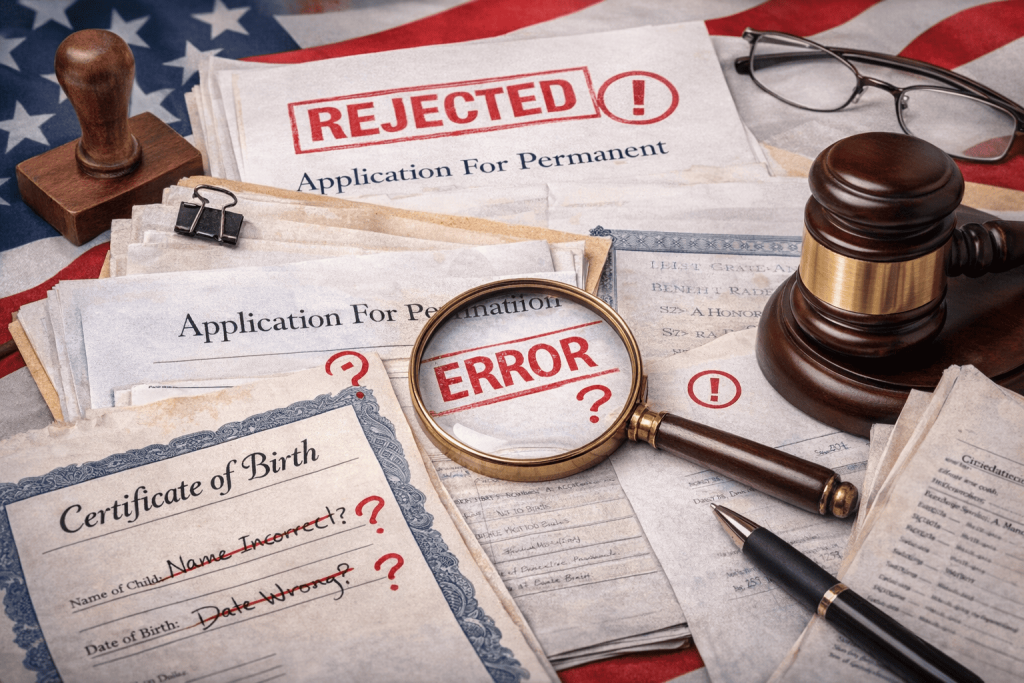
Inaccurate translations can cause confusion, delay the processing of your application, or even result in rejections, especially when it comes to legal documents or sensitive information such as birth certificates, marriage records, or academic transcripts. It is essential to ensure that your translator is well-versed in official translations and knows the specific terminology that USCIS requires.
2. What’s the Difference Between Certified and Non-Certified Translations?
Not all translations are created equal, and understanding the difference between certified and non-certified translations is essential for your USCIS application.
Certified Translations
A certified translation includes a statement from the translator affirming that the translation is accurate. USCIS accepts certified translations for various types of documents, and these translations must follow specific requirements. A certified translator is usually someone who has met specific qualifications or certifications and is recognized by professional organizations.
- What’s Included?
Certified translations often come with a certification statement, which is a signed declaration from the translator. - Where to Get One?
You can get certified translations from professional USCIS translators or translation services companies that specialize in certified translations.
Non-Certified Translations
Non-certified translations do not come with an official statement and are typically done by individuals who may not be qualified. These translations may be fine for personal use or informal situations, but they are not acceptable for legal or immigration processes.
Potential Problems:
USCIS will not accept non-certified translations, and submitting them can delay or halt your immigration process. Even if the translation seems perfect, without proper certification, it’s considered incomplete.
3. How to Find a Reliable USCIS Translator
When you need USCIS document translation, it’s critical to find a translator or translation service that specializes in certified translations for immigration purposes. Here are a few tips on how to find the right one for your needs:
1. Look for Certification or Credentials
The first step is to verify that the translator is qualified to provide certified translations. Look for translators who are certified by reputable organizations like the American Translators Association (ATA) or other professional certification bodies.
2. Experience with USCIS Translations
USCIS requires certain standards for document translation, so it’s important to work with a USCIS translator who understands these requirements. A translator with experience in immigration law and official document translations will be better equipped to handle the nuances of immigration-related paperwork.
3. Check Reviews and Testimonials
Read reviews or testimonials from previous clients to ensure the translator has a history of providing high-quality translations. Additionally, some translation services companies offer guarantees or certifications that can provide extra peace of mind.
4. Understand the Pricing Structure
Certified translations are often priced higher than regular translations. Ensure you’re clear on the pricing before you move forward, and be wary of translators offering prices that seem too good to be true. This could indicate a lack of experience or quality.
4. Common Documents Requiring USCIS Document Translation
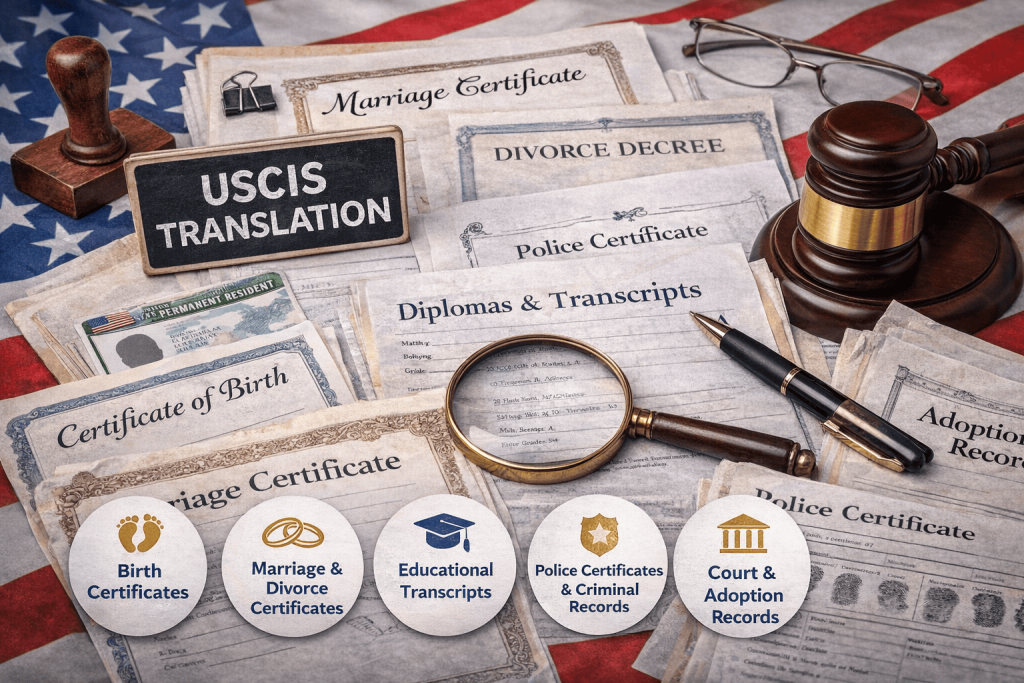
Certain documents are required for your USCIS application, and many of these will need to be translated. Here’s a list of common documents that often require USCIS document translation:
- Birth Certificates
Birth certificates are one of the most common documents needing translation. Whether you are applying for a green card, citizenship, or a visa, USCIS will require a certified translation of your birth certificate if it is not in English. - Marriage and Divorce Certificates
For those applying based on family relationships, marriage certificates (and sometimes divorce certificates) must be translated if they are in a foreign language. - Educational Transcripts
If you are submitting educational documents to USCIS, including diplomas or transcripts, they must be properly translated into English. These are often required for various visa or immigration categories, such as employment-based immigration. - Police Certificates or Criminal Records
For individuals applying for a visa or green card, USCIS often requires police certificates or criminal records from your home country, and these documents must be translated if they are not in English. - Court and Adoption Records
Court and adoption records are commonly needed for certain immigration applications. Like other official documents, these too need to be accurately translated and certified.
Conclusion
In conclusion, understanding the importance of USCIS document translation cannot be overstated. The accuracy and legality of your translations directly impact your chances of successfully obtaining U.S. immigration benefits. Whether you choose to work with a USCIS translator or a translation services company, make sure the translation is certified and meets USCIS requirements.
Choosing the right translator or translation service ensures that your documents are accepted without unnecessary delays. At Connected Translations, we specialize in certified translations for USCIS and other legal needs. We understand the complexities of immigration paperwork and are here to help you navigate the process smoothly.
If you need certified translations, don’t risk delays or rejections. Contact Connected Translations today and ensure that your documents meet all USCIS standards.
Key Takeaways:
- Certified translations are required for USCIS applications.
- Choosing an experienced USCIS translator is essential for accuracy and compliance.
- Certified translators can prevent delays and ensure your documents are accepted.
- Always ensure that translations meet USCIS requirements for official documents.